
Spring 2026 Bangwei Gushu Sun-Dried Black Tea
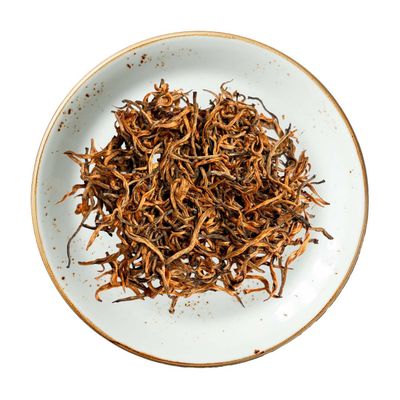
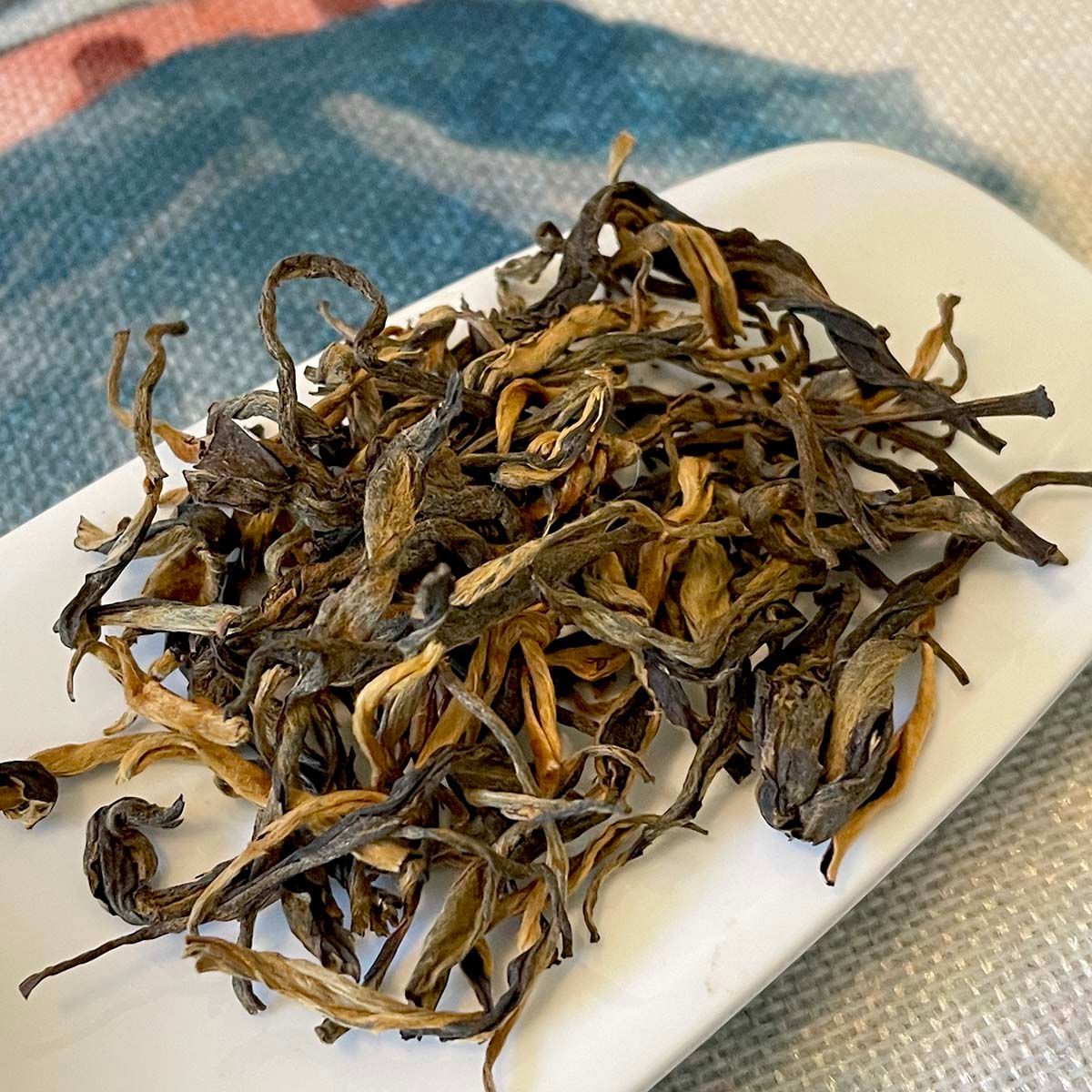
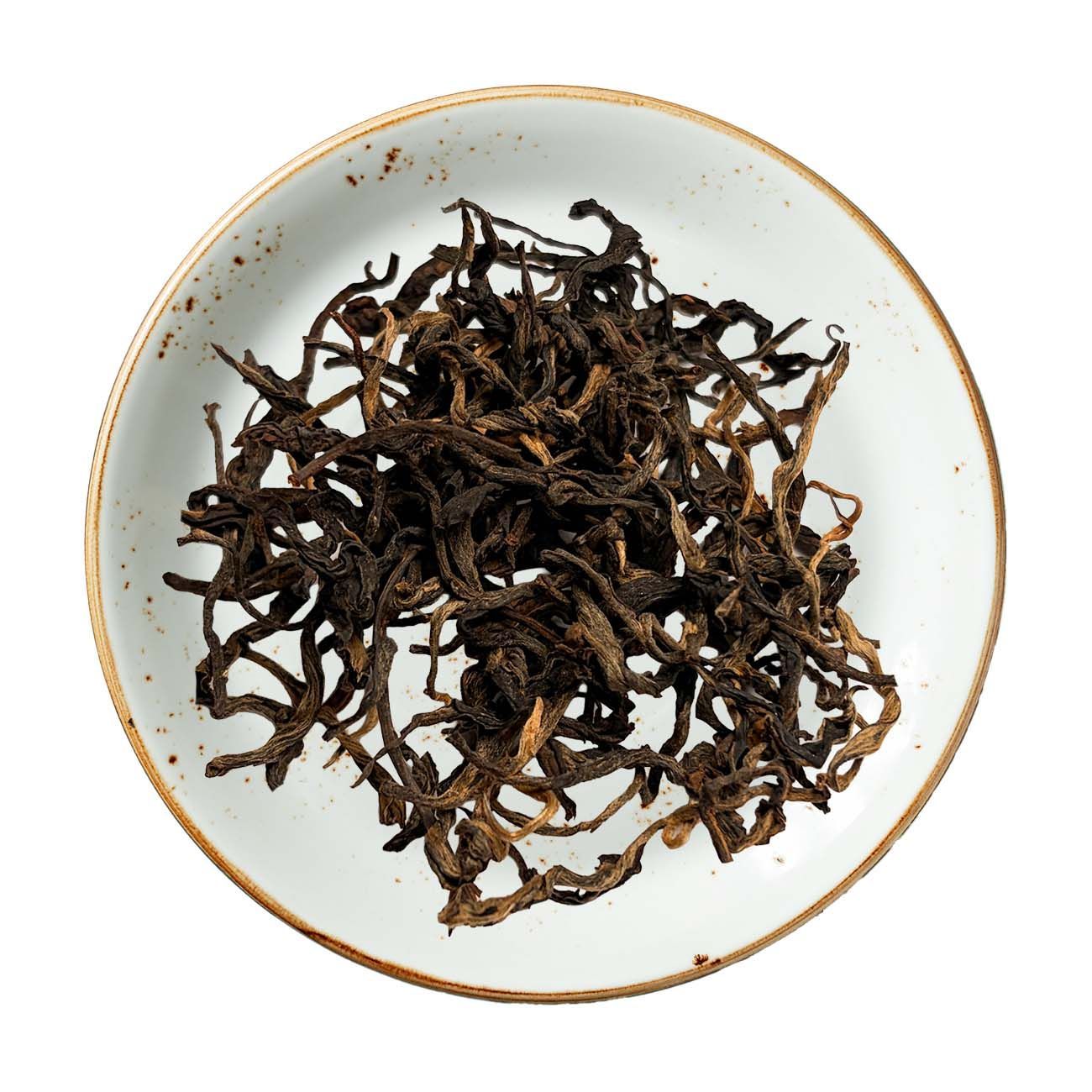
This is a spring 2026 sun-dried black tea made from ancient-tree ( gushu ) material grown around Bangwei, in the hills of Lancang County in Yunnan. It is medium bodied and smooth, with a balanced sweetness and notes of elderberry, plum, sugarcane and a little warm spice. If you tend to find black teas either too brisk or too thin, this one sits comfortably in the middle, and it is a genuinely easy tea to drink without much ceremony.
Bangwei, written 邦崴, is a village in Fudong Township in Lancang County, part of Pu'er in southwestern Yunnan, on high ground at somewhere around 1,900 metres. You will also see the name romanised as Bangwai, and sometimes split into two words, so if you have been reading about this area elsewhere and the spelling looked different, you were in the right place. Both renderings are in common use.
Among tea drinkers the area is best known for its very old tea trees, described as a transitional type because they appear to sit somewhere between a genuinely wild tea plant and a cultivated one. Our tea is made from ancient-tree material grown around Bangwei rather than from any one famous tree, and we would rather say that plainly than imply a connection we cannot document.
The processing is what makes this tea worth seeking out, and it is the part most descriptions skip. "Sun-dried black," or shai hong (晒红), is made much like any other black tea to begin with: the leaves are withered, rolled and allowed to oxidise. The difference comes at the end. Instead of being finished in an oven or a drying machine, the leaves are dried in the sun, the same way the raw material for sheng pu-erh is handled. That single change in the last step is why shai hong keeps a softer, rounder character than a kiln-finished black tea, and why the sweetness reads more like fruit and cane sugar than like malt.
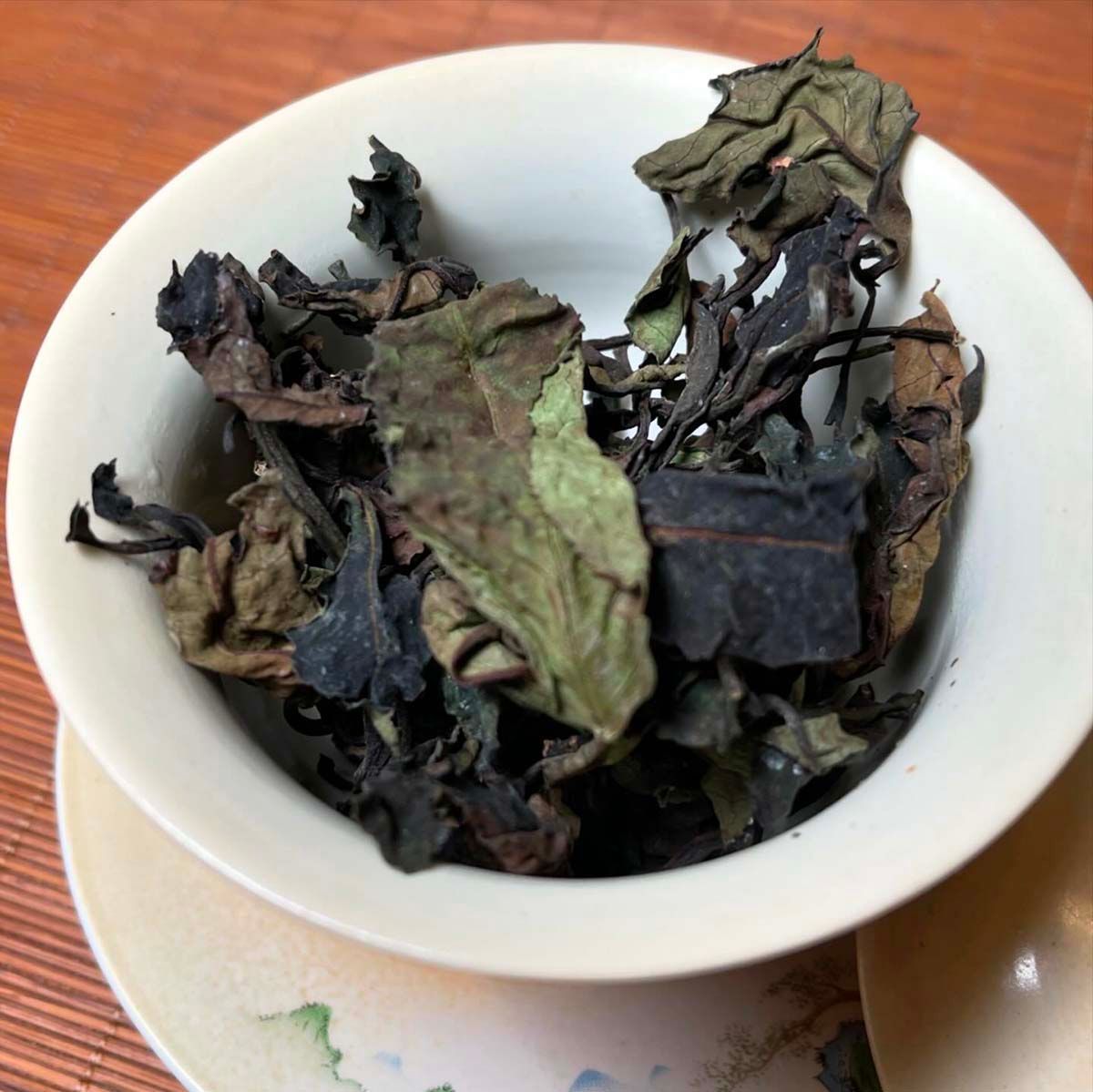
One honest note on what happens over time. Because shai hong is sun-dried rather than oven-dried, many drinkers find it shifts and settles over a few years in a way that conventional black tea simply does not, and some people deliberately keep it for that reason. Others prefer it fresh, while the fruit is at its brightest. We do not think there is a correct answer, and we would suggest drinking some now and setting a little aside if you are curious, rather than committing either way on someone else's say-so.
It is also worth knowing that this is not the same tea as our Gushu Shai Hong, even though the names look close. That one comes from Lincang and leans toward toasted wood, spice and dark chocolate. This one is from Lancang, a different place with a confusingly similar name, and goes toward elderberry, plum and sugarcane. If you enjoy one, the other is a genuinely different cup rather than more of the same.
We stock it in a small size on purpose, so you can try an unfamiliar single origin without committing to a large pouch, and it ships from us here in North Carolina.
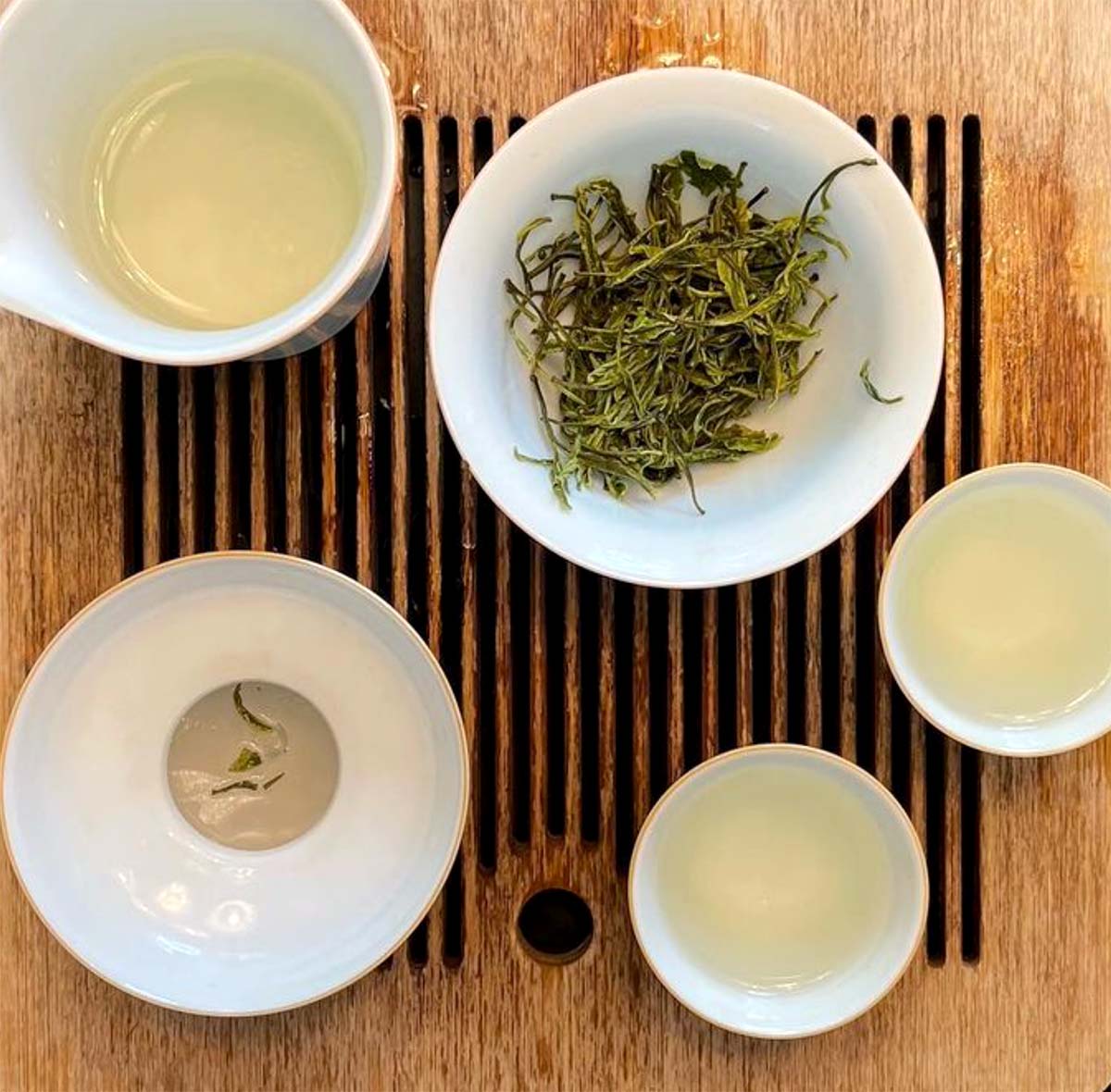
Gong Fu Brewing:
Tea
: 5 grams per 4 ounces of water
Water temperature
: 212°F - 100°C
Steeping : 40 seconds. May be infused up to 7 times.
Western Brewing:
Tea
: 1-2 grams per 4 ounces of water
Water temperature
: 212°F - 100°C
Steeping: 2-3 minutes. May be steeped up to 3 times.
Questions
Is it Bangwei or Bangwai?
Both, depending on who is writing. The Chinese is 邦崴, and you will find it romanised each way across tea sellers, maps and travel listings, sometimes split as two words. We use Bangwei because that is the spelling our supplier uses, but if you arrived here searching for Bangwai, this is the tea you were looking for.
Is this the same thing as Dian Hong?
Broadly yes, in the sense that Dian Hong simply means black tea from Yunnan, and this qualifies. In practice the term usually describes the more familiar oven-finished style, so if you want to compare, our Dian Hong Mao Feng makes a useful side-by-side against this sun-dried version.
What does gushu actually mean here?
Gushu translates as "ancient tree" and refers to material picked from older tea plants rather than from young, densely planted bushes. There is no universally enforced standard for how old a tree must be to earn the word, and tree-age claims in this part of the market are often impossible to verify, so we use the term as our supplier describes the material and leave it at that rather than attaching a number to it.
Does it have caffeine?
Yes. It is a true tea made from Camellia sinensis , so it contains caffeine, generally somewhat less than a cup of coffee of the same size.
How should I store it?
Keep it somewhere cool and dark, away from strong smells, in a container that seals reasonably well. Tea picks up odours from a cupboard readily, so it is worth keeping it away from spices and coffee.
Why is it cheaper than the same tea from sellers in China?
Size, mostly. We offer a small quantity so that trying it is a low commitment, where producer-direct sellers typically sell a full pouch as the smallest option. Ordering from us also means domestic shipping rather than waiting on international post.