
Chinese Tea Types: A Guide to China's Most Famous Teas
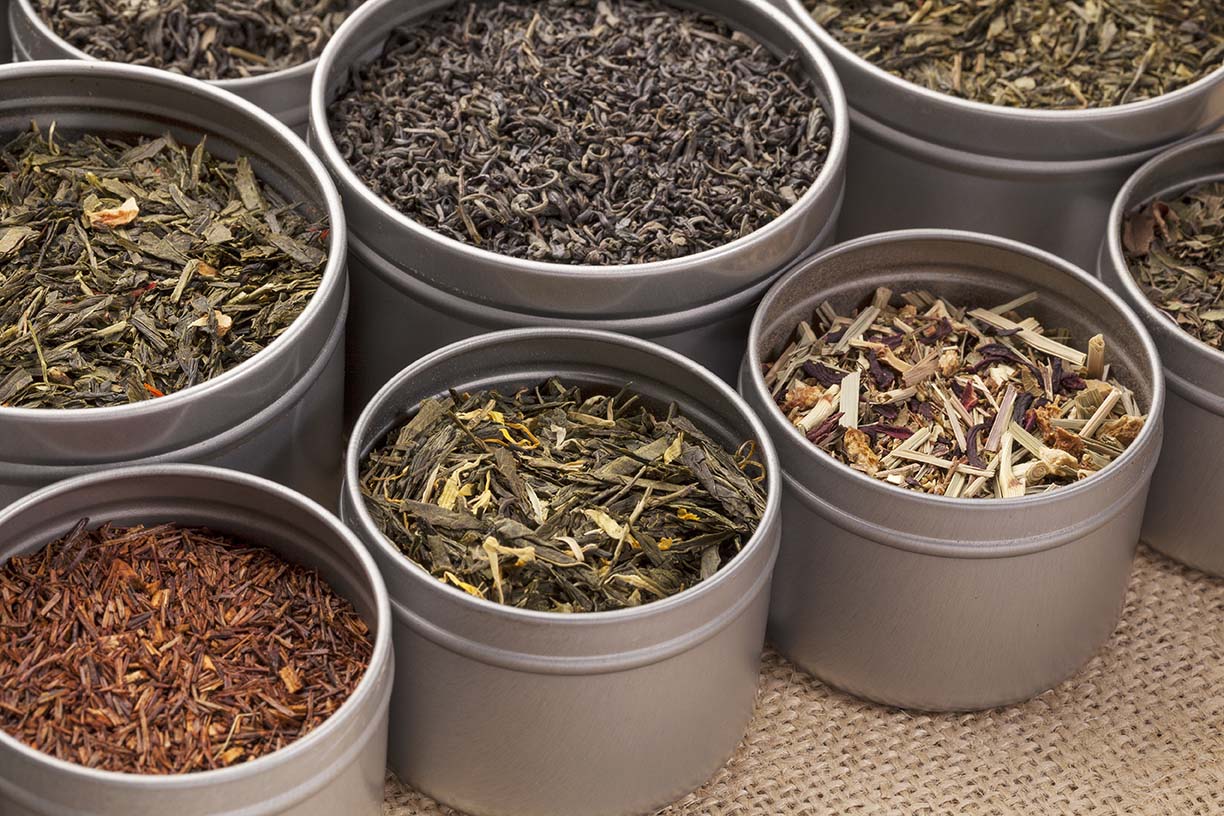
Quick Answer: China produces more distinct types of tea than any other country — and has for over a thousand years. Chinese teas fall into six classifications based on their processing method: green, white, yellow, oolong, black (known as red tea in China), and pu-erh. Within those six categories, hundreds of named regional varieties exist, each shaped by a specific growing area, harvest timing, and craft tradition. The most celebrated among them belong to a historical category known as gong cha, or tribute tea — teas designated for the imperial court that became benchmarks of quality for their entire category. Dragon Well (Long Jing) from Hangzhou, Liu An Gua Pian from Anhui, and Junshan Yinzhen from Hunan are among the teas that earned this status. Adhara Tea & Botanicals carries a curated selection of these historically significant Chinese teas sourced from their home provinces. Browse Chinese teas →
Why China? The Origins of Tea Culture
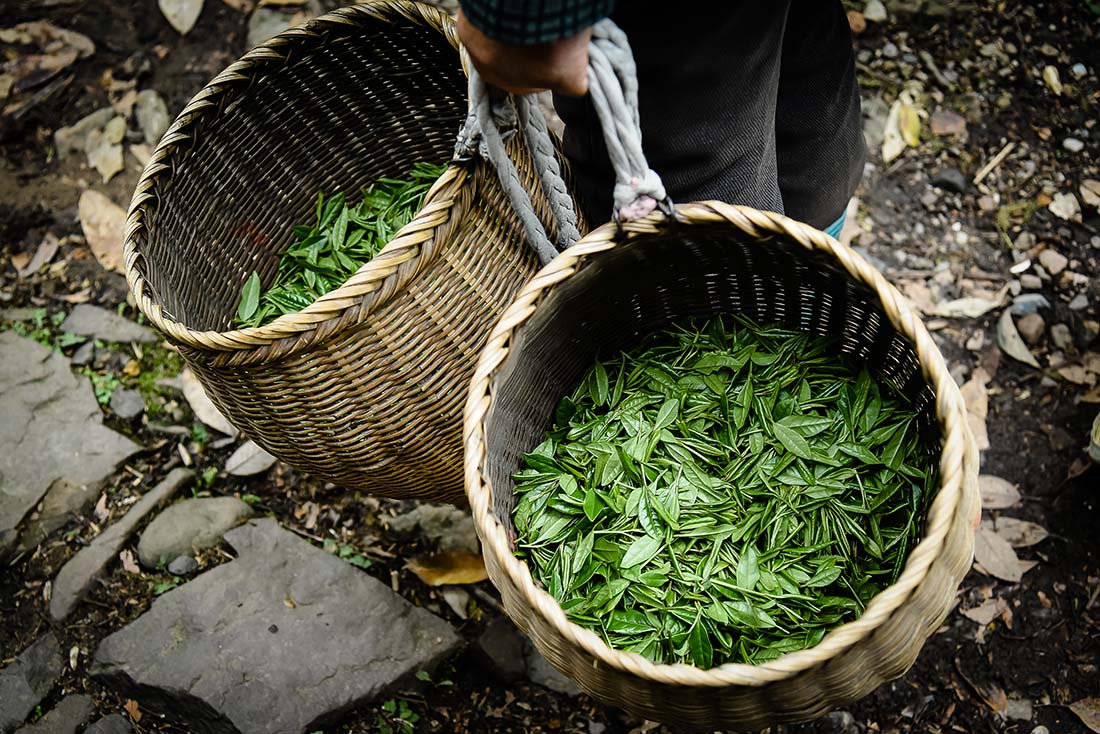
All tea comes from a single plant — Camellia sinensis — and the earliest recorded evidence of its cultivation and use as a beverage traces to China's Yunnan and Sichuan provinces roughly 2,000 years ago. What China developed over the following centuries was not simply a preference for hot leaf water, but an extraordinarily detailed culture of distinction: between regions, between seasons, between processing methods, between the hands that made the tea.
By the Tang dynasty (618–907 CE), tea was already a sophisticated subject. Lu Yu's Cha Jing — the Classic of Tea, written around 758 CE — systematically documented tea cultivation, processing, water quality, and vessels. It is considered the first serious work of tea literature anywhere in the world. By the Song dynasty (960–1279), tea was central to court culture, and by the Ming (1368–1644), the loose-leaf brewing method we still use today had replaced the compressed cake and whipped powder formats of earlier eras.
That long, layered history is why Chinese tea culture is so internally differentiated. A thousand years of serious attention to regional terroir, processing craft, and seasonal variation produced something closer to the wine world's appellation system than anything in the tea cultures of neighboring countries — each province with its signature styles, each style with its own aesthetic and history.
The Tribute Tea Tradition: Why Certain Teas Became Famous
China's concept of "famous tea" (名茶, míng chá) didn't emerge from marketing. It emerged from the imperial tribute system — gong cha (贡茶) — in which the finest teas from each growing region were designated as offerings to the imperial court. This practice was formalized beginning in the Tang dynasty and continued through the Qing (1644–1912), creating a long institutional record of which teas were considered the best of their kind.
The process was consequential. When a tea was selected as tribute, the producing region received both honor and scrutiny. Quality standards were enforced. The methods that produced the tribute-quality tea became codified and preserved. Growers competed — sometimes under serious pressure, given the consequences of producing an inferior tribute batch — to maintain the reputation of their region's tea. Over centuries, this competitive refinement produced genuinely extraordinary results.
The result is a living legacy. When you drink a Long Jing today, you are drinking a tea that has been continuously refined since at least the Song dynasty, when it was already considered exceptional. The same is true of many of the teas on any list of China's most celebrated varieties — their reputations weren't invented; they were earned over a thousand years of comparative judgment.
Today, no imperial court exists to designate tribute teas, but the concept of famous teas persists in various official and unofficial lists. The most commonly referenced is the "Ten Famous Teas of China" — a designation that has shifted across different eras and authoritative bodies, but whose most widely cited version includes teas from at least five of China's six tea classifications.
The Six Types of Chinese Tea
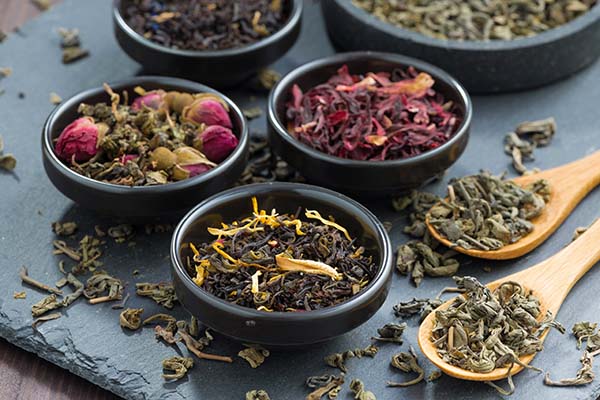
All Chinese tea is made from Camellia sinensis leaves. The six classifications are determined entirely by how those leaves are processed after picking — specifically, how much oxidation is allowed to occur and what methods are used to stop or encourage it.
- Green tea (绿茶) — Minimal oxidation. Leaves are heated immediately after picking (either pan-fired or steamed) to stop enzymatic activity and preserve the fresh, vegetal character. China produces more distinct green teas than any other country. Long Jing, Bi Luo Chun, Liu An Gua Pian, and Zhu Ye Qing are all Chinese green teas.
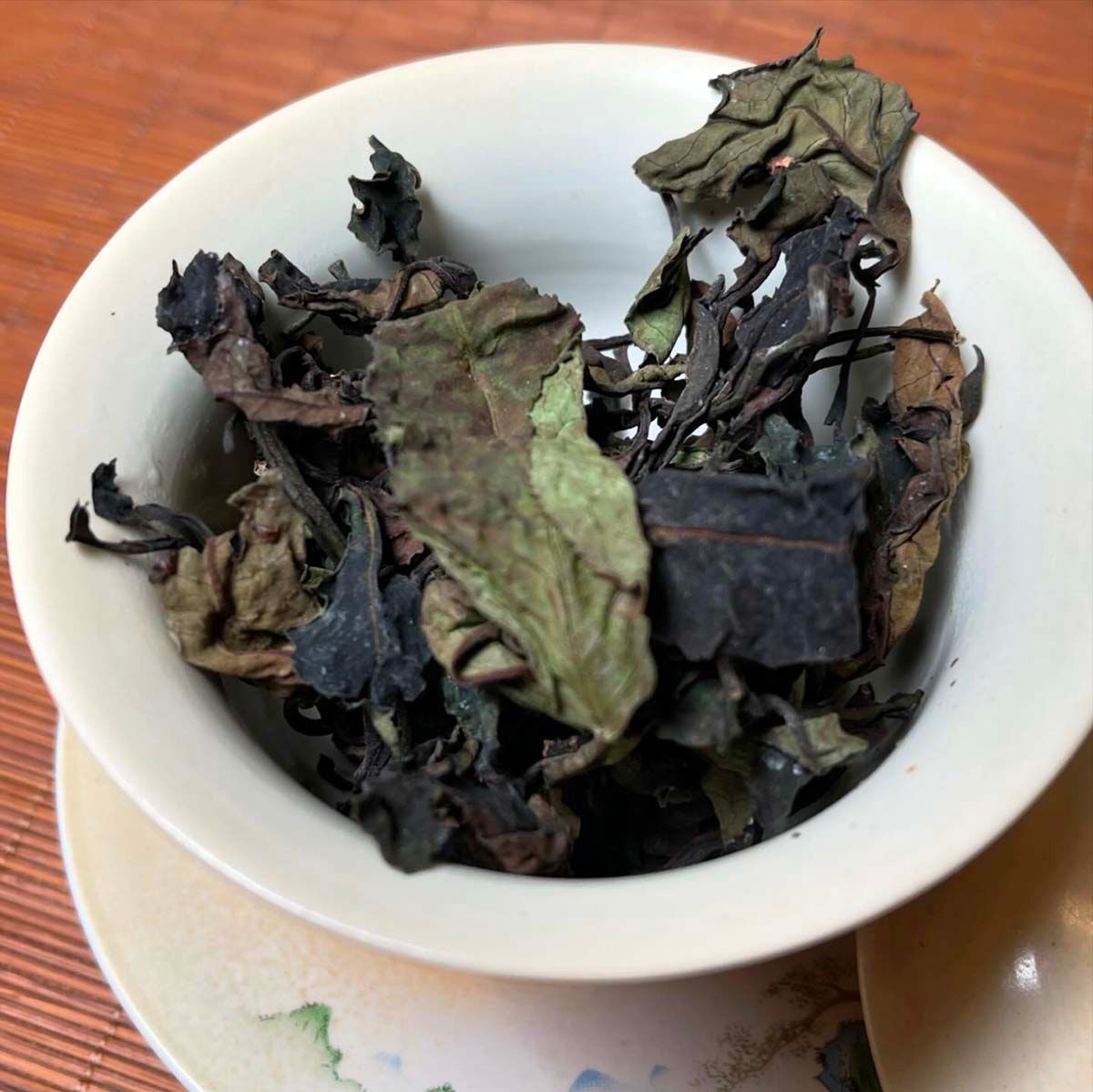
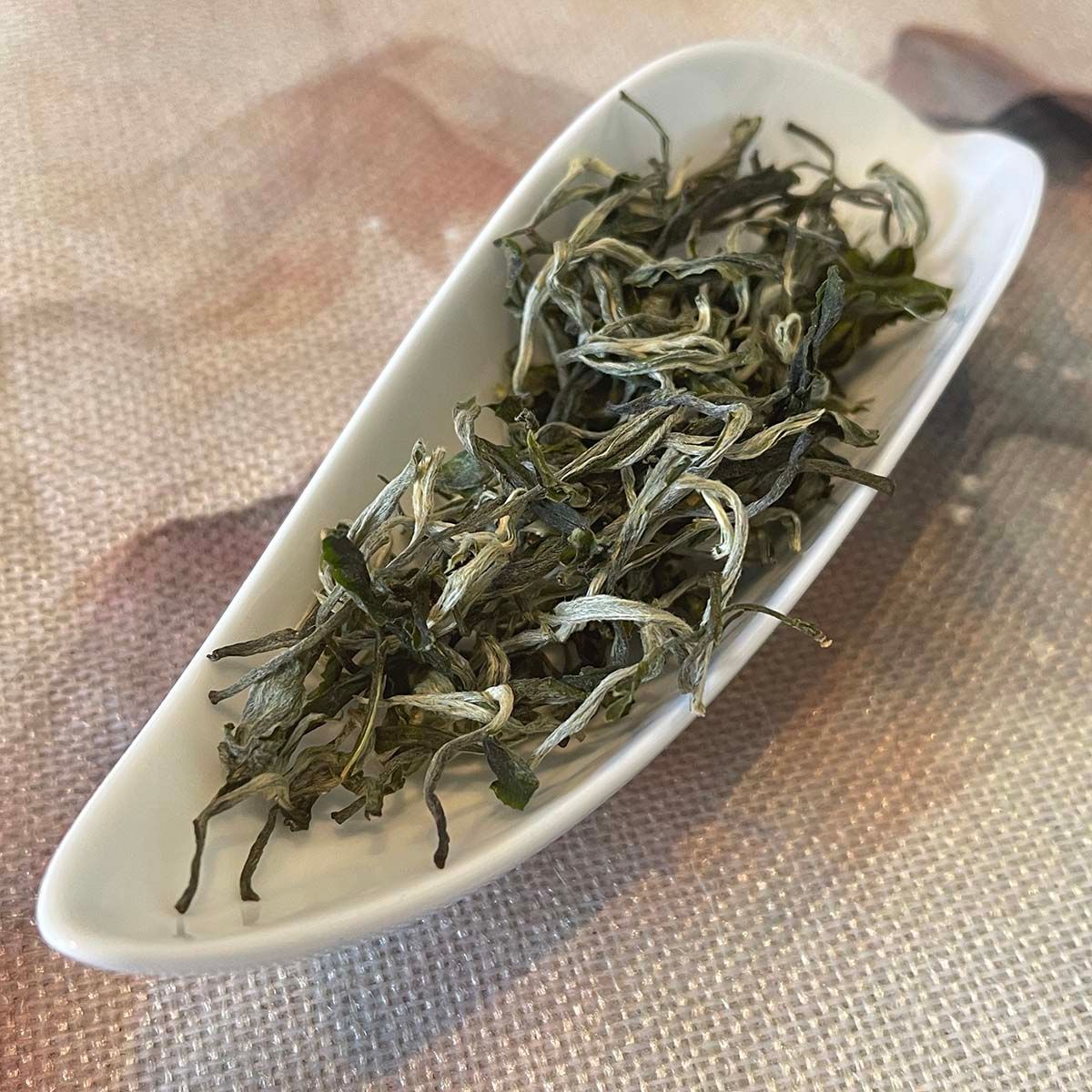
- White tea (白茶) — The least processed of the six. Leaves are simply withered and dried, with no kill-green step. White teas are characterized by delicate sweetness and natural floral or fruity notes. Bai Hao Yin Zhen (Silver Needle) and Bai Mu Dan (White Peony) are the classic examples, both from Fujian province.
- Yellow tea (黄茶) — The rarest of the six, produced in only a few locations. Yellow tea undergoes a unique additional step called men huan (悷火), or "sealing yellow," in which the slightly heated leaves are wrapped and allowed to undergo a gentle non-enzymatic transformation. The result is a tea with a mellow, less grassy character than green tea. Junshan Yinzhen from Hunan is the most celebrated example.
- Oolong tea (乌龙茶) — Partially oxidized, ranging from roughly 15% to 85% depending on the style. Oolongs span from the light, floral high-mountain styles of Fujian and Taiwan to the deeply roasted rock oolongs of the Wuyi Mountains. Tieguanyin and Da Hong Pao are two of China's most famous oolongs.
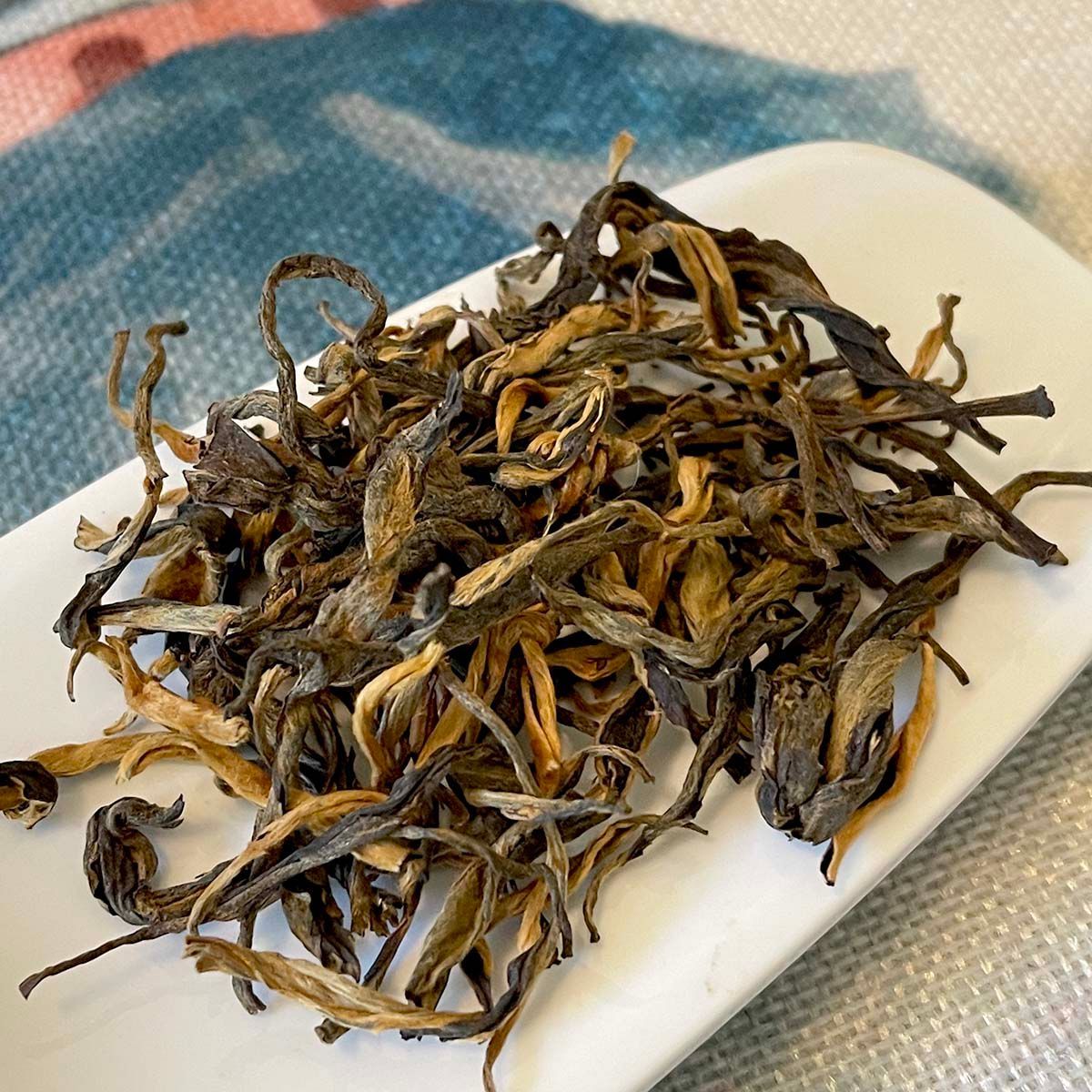
- Black tea (红茶) — Called "red tea" in China, referring to the color of the liquor rather than the leaf. Fully oxidized. Keemun (Qimen) from Anhui is China's most celebrated black tea — wine-like and complex, with a distinctly different character from the bold Assam-style blacks common in Western markets.
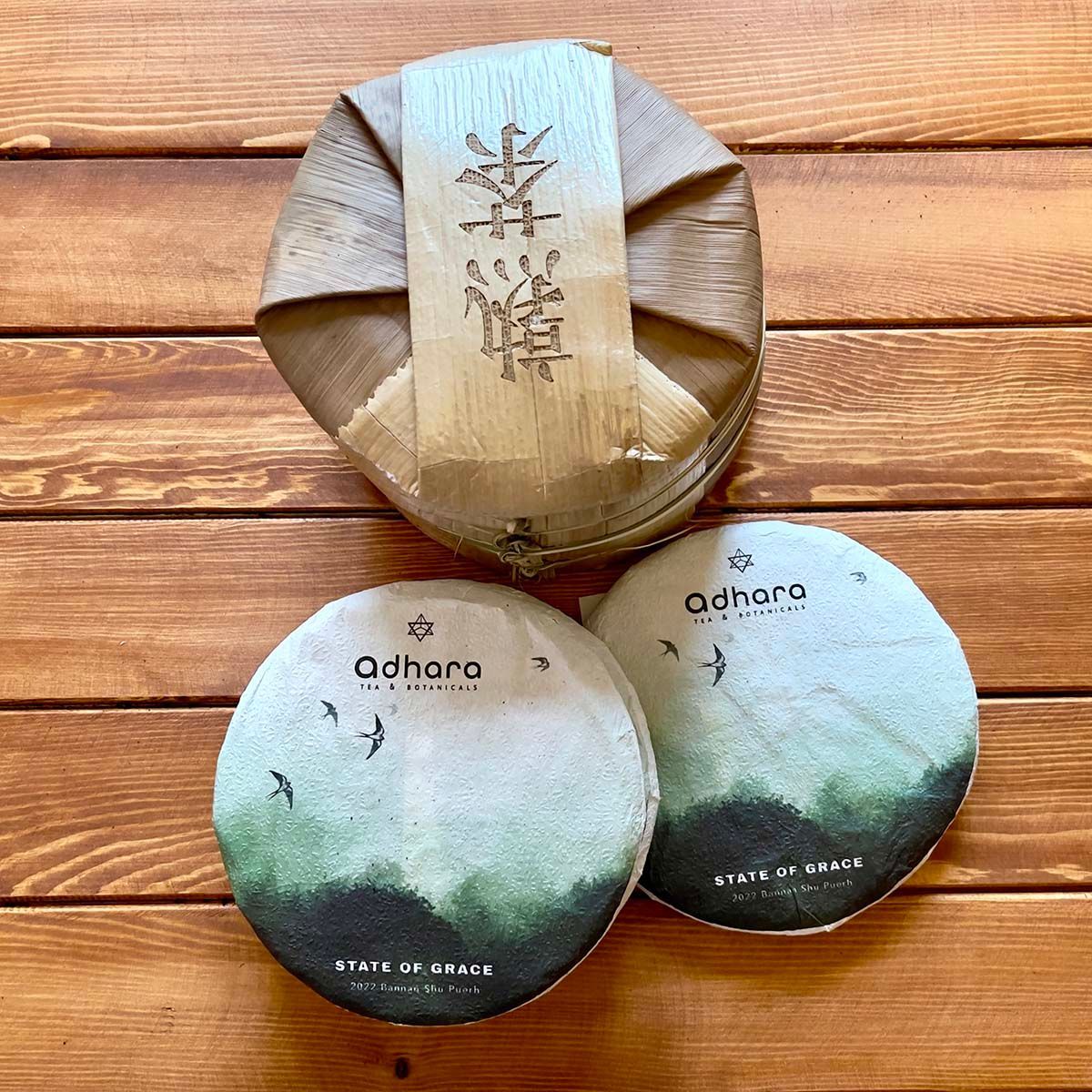
- Pu-erh tea (普洱茶) — Post-fermented tea from Yunnan, unique in its capacity to age over decades. Pu-erh comes in both raw (sheng) and ripe (shou) forms and develops extraordinary complexity over time. It is the only tea type with genuine, well-documented aging potential comparable to fine wine.
China's Most Celebrated Teas
The following teas appear consistently across historical and contemporary lists of China's most significant varieties. Several are carried by Adhara in their current-harvest form; others are included here because understanding them is part of understanding Chinese tea culture as a whole.
Long Jing — Dragon Well (西湖龙井)
Produced in the hills surrounding Hangzhou's West Lake in Zhejiang province, Long Jing is China's most famous green tea. The leaves are hand-pressed flat in a hot wok using a specific palm-and-finger technique that produces the tea's characteristic flat, sword-like shape. The flavor is clean, sweet, and toasty — often described as carrying notes of roasted chestnut and fresh grass, with a naturally smooth finish that sets it apart from the more astringent green teas common in international markets.
Two harvest windows define Long Jing quality: Ming Qian (Pre-Qingming, before the Qingming Festival in early April) and Gu Yu (before the Grain Rain in late April). Ming Qian teas use only the smallest, most tender early buds, producing the most delicate and sought-after cups. Adhara carries both Pre-Qingming Long Jing and Early Spring Long Jing — the same cultivar, different harvest windows, noticeably different in character side by side.
Liu An Gua Pian — Melon Seed Tea (六安瓜片)
One of the most unusual green teas in China, Liu An Gua Pian from Anhui province is made exclusively from single open leaves — no bud, no stem. The leaves are harvested later in the season than most Chinese green teas and processed using a distinctive combination of pan-firing and roasting over charcoal that produces a curled, deep-green leaf that resembles, aptly, a melon seed. The cup is full-bodied for a green tea, with a roasted, savory depth that sets it firmly apart from lighter, bud-forward styles.
Liu An Gua Pian was historically supplied to the Chinese government as a practical daily tea for officials — valued for its flavor, its durability in storage, and its ability to withstand multiple infusions. It is considered one of the more technically demanding Chinese green teas to process correctly and remains relatively uncommon in US specialty tea retail. Adhara carries Liu An Gua Pian as part of its Chinese green tea selection.
Junshan Yinzhen — Silver Needle (君山银针)
China's most famous yellow tea, produced on the small Junshan Island in Hunan's Dongting Lake. Yellow tea is the rarest of the six classifications and among the least understood outside China. The processing closely resembles green tea but includes the men huan step — wrapping the partially heated leaves to allow a gentle transformation that softens the sharp, grassy notes typical of green tea into something mellower and more rounded. The resulting cup is smooth, lightly sweet, and quietly complex.
Junshan Yinzhen is historically one of the most prized teas in China and is genuinely difficult to source in the West in authentic form. It is a good example of why the tribute tea tradition matters — without that historical framework preserving the category's reputation and production methods, yellow tea might have largely disappeared from commercial production entirely. Very few US retailers carry authentic yellow tea; it is one of the more meaningful points of distinction for a tea shop that takes Chinese tea seriously.
Tieguanyin — Iron Goddess of Mercy (安溪铁观音)
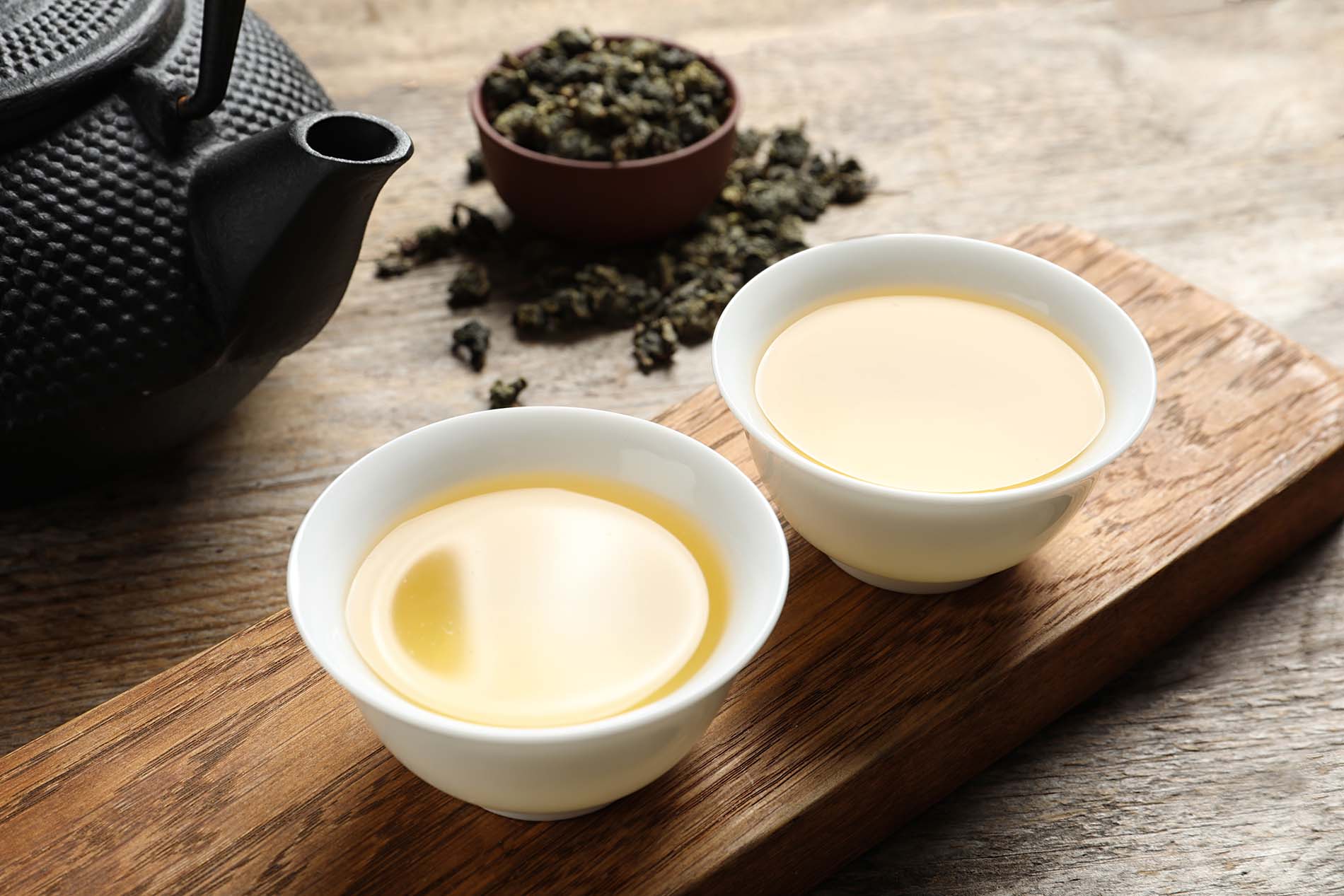
Produced in Anxi County, Fujian, Tieguanyin is China's most iconic oolong. Modern Tieguanyin is most commonly made in a light, greenish, floral style — clean, aromatic, and approachable — though traditionally roasted versions with deeper character are also produced by some makers. The tea has been one of the most widely exported Chinese teas for the better part of two centuries, and its name is often the first oolong a tea drinker encounters.
Wuyi Rock Oolong — Da Hong Pao (武夷岩茶)
From the rocky cliffs of the Wuyi Mountains in northern Fujian, rock oolong (yan cha) is among the most complex and distinctive teas in the world. "Da Hong Pao" — Big Red Robe — is the most famous name within Wuyi rock oolong, though the term refers both to a specific cultivar from ancient plants and to a style of blended rock oolong available in varying grades. These teas are characterized by what producers call yan yun, or "rock rhyme" — a mineral depth and roasted complexity that comes from the unique geology of the Wuyi Mountains. They are teas that open slowly across many infusions.
Keemun — Qimen Black Tea (祁门红茶)
Anhui province's Keemun is China's most celebrated black tea and one of the few Chinese teas with a long history in the Western specialty market. Unlike the bold, malty Assam-style blacks that dominate Western tea shelves, Keemun is more subdued and wine-like — with floral, fruity, and faintly smoky notes that develop across multiple steeps. It was a relative latecomer to Chinese tea production (first made in the 1870s) but developed a devoted following in Europe and remains a benchmark for understanding what Chinese black tea can be.
Pu-erh (普洱茶)
Yunnan's pu-erh is unlike any other tea. Made from large-leaf tea trees — some of considerable age — pu-erh undergoes microbial fermentation that continues to evolve over years or decades of storage. Raw (sheng) pu-erh starts young with a green, slightly astringent character and develops over time into something rich, complex, and earthy. Ripe (shou) pu-erh undergoes an accelerated wet-piling process that compresses the aging timeline, producing a dark, smooth, distinctly earthy cup without the wait. Pu-erh is the most intensely collectible of all teas and the most thoroughly misunderstood by those who encounter it as a novelty before they experience a good one.
How to Start Exploring Chinese Tea
The breadth of Chinese tea can feel overwhelming at first — six classifications, dozens of provinces, hundreds of named varieties. The most useful approach is to start narrow and let curiosity do the rest.
A good first tea is a Long Jing — specifically a Pre-Qingming Dragon Well if available. It is smooth, relatively forgiving to brew, and gives an immediate, concrete sense of what Chinese green tea actually tastes like: clean, aromatic, layered in a way that no tea bag approaches. From there, trying a Liu An Gua Pian or a Zhu Ye Qing shows how dramatically different two green teas from different provinces can be — and that discovery is usually what pulls people deeper in.
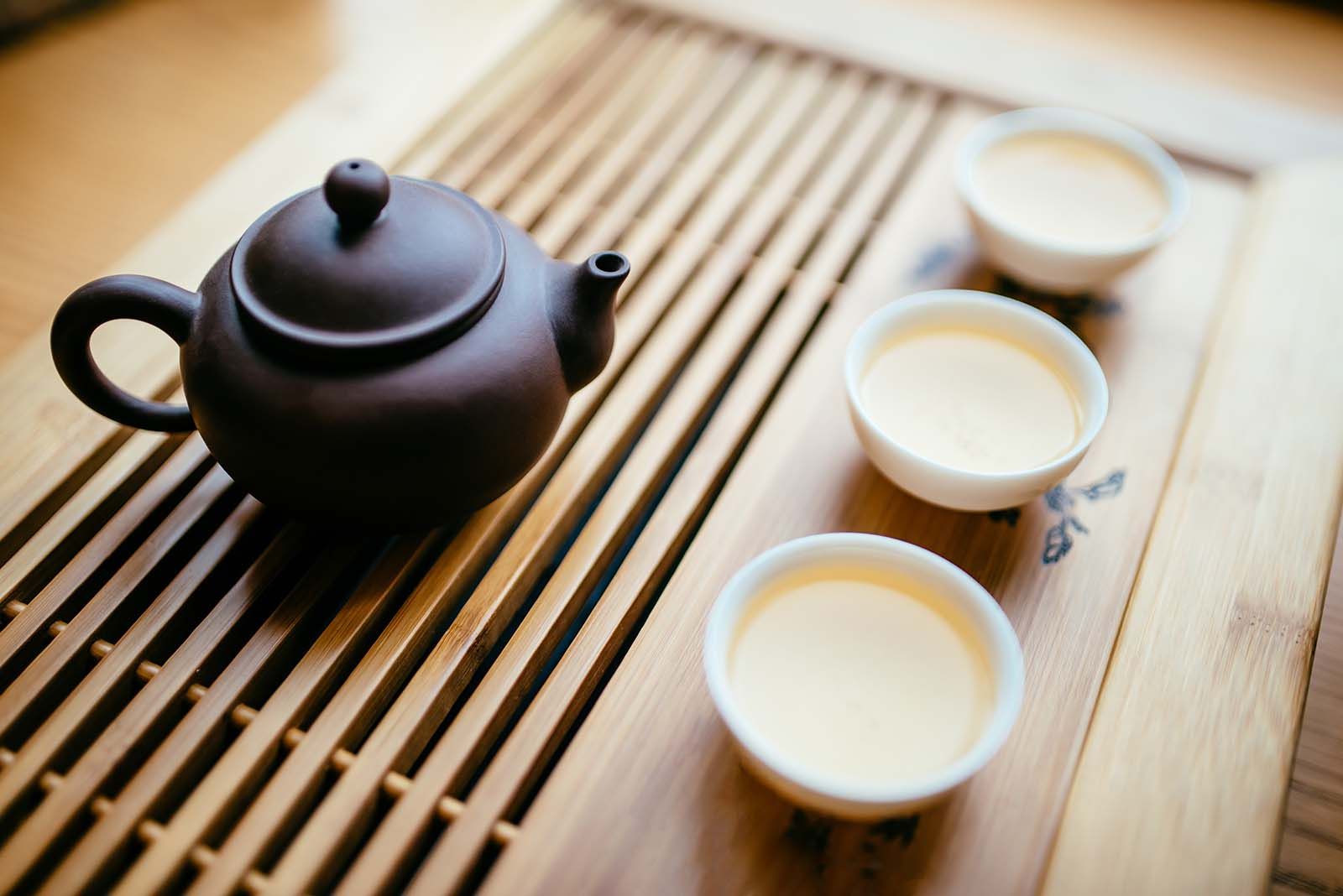
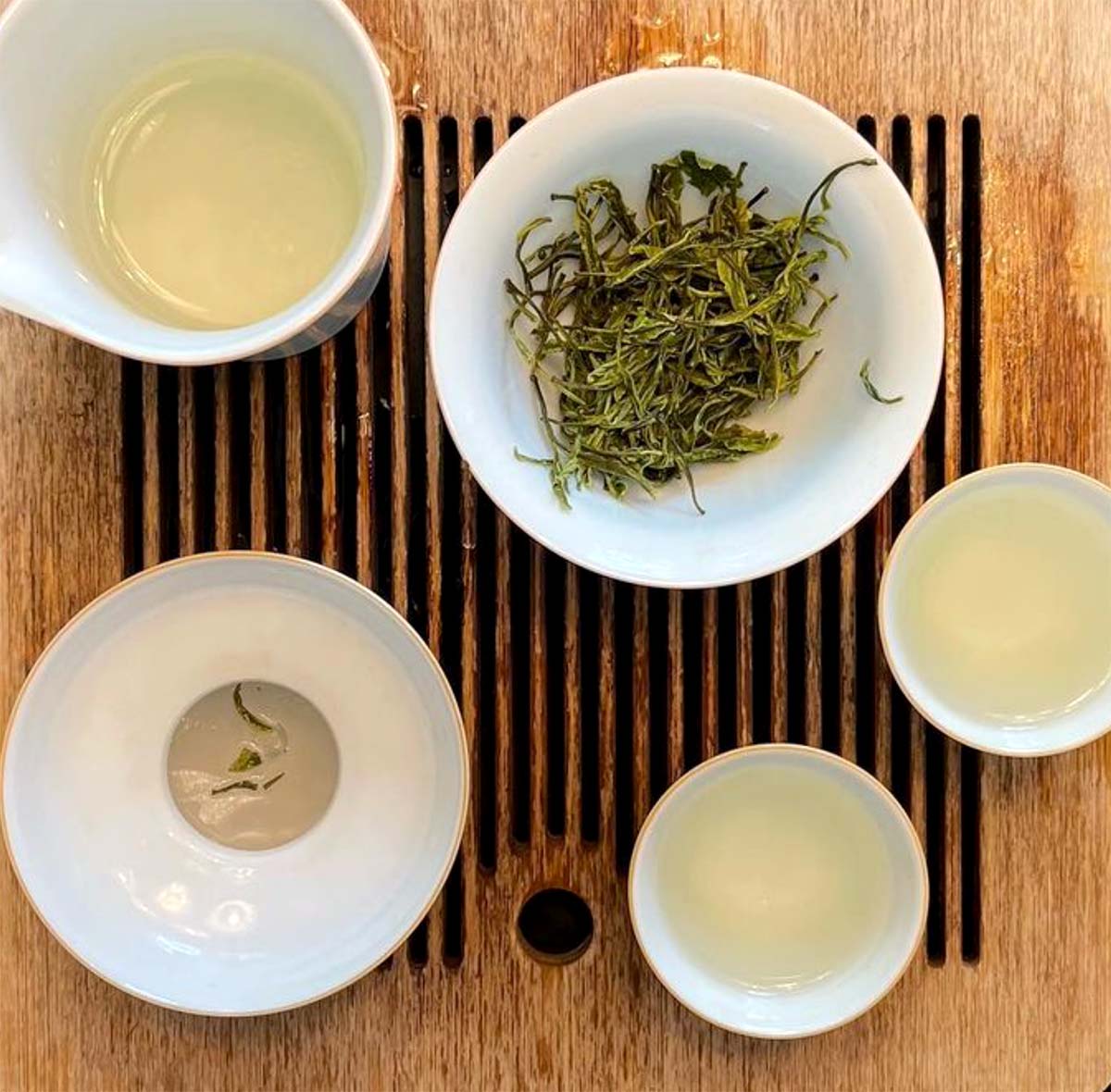
For brewing, Western-style steeping (2–3g in 250ml at 78–80°C for about 2 minutes) works well for Chinese green teas. If you want to explore more of the tea's character across multiple infusions, gong fu brewing in a small gaiwan is the method that best reveals the progression of a good leaf across 5–8 steeps.
Ready to Explore?
Adhara Tea & Botanicals carries a curated selection of Chinese teas sourced from their home provinces — green, white, yellow, oolong, black, and pu-erh. Every tea is whole or large-cut leaf, chosen for its connection to a specific growing region and a way of making tea that has been refined over generations.
Questions about where to start? Reach us at contact@adharatea.com or (910) 594-4822 .
Frequently Asked Questions
What are the main types of Chinese tea?
Chinese tea is classified into six types based on how the leaves are processed: green, white, yellow, oolong, black (called red tea in China), and pu-erh. All six are made from Camellia sinensis leaves. Green tea undergoes minimal oxidation and is the most widely produced. White tea is the least processed. Yellow tea is the rarest, made with a unique "sealing yellow" step found in only a few Chinese producing regions. Oolong is partially oxidized and ranges widely in character depending on the degree of oxidation and roasting. Black tea (red tea) is fully oxidized. Pu-erh is post-fermented and capable of aging over decades, much like wine.
What is a tribute tea (gong cha)?
Tribute tea (贡茶, gong cha) refers to teas designated for delivery to the Chinese imperial court — a practice formalized in the Tang dynasty and continued through the Qing. When a tea was selected as tribute, its producing region was held to strict quality standards, and the methods that produced the tribute-quality tea were codified and preserved. Competition to maintain tribute status drove centuries of refinement. Many of China's most celebrated teas today, including Long Jing and Liu An Gua Pian, have tribute tea histories that directly shaped how they are still made and valued. The imperial designation is now historical, but the legacy is visible in every cup.
What is the most famous Chinese tea?
Long Jing (Dragon Well) from Hangzhou's West Lake region in Zhejiang province is generally considered the most famous Chinese tea. It has been associated with the highest quality green tea since at least the Song dynasty, was historically designated a tribute tea for the imperial court, and remains the benchmark against which other Chinese green teas are measured. It is also the most widely exported Chinese green tea name in international markets. That said, teas like Tieguanyin, Da Hong Pao, Keemun, and pu-erh each carry deep histories and devoted followings — "most famous" depends somewhat on which category you are asking about.
What is yellow tea and why is it rare?
Yellow tea is one of China's six tea classifications, produced in only a few locations and characterized by a processing step called men huan — wrapping the partially heated leaves to allow a gentle, non-enzymatic transformation that softens the grassy notes of green tea into something mellower and more rounded. It is rare for two interconnected reasons: the processing is technically demanding and labor-intensive, and demand outside China has historically been limited, which reduced the economic incentive for producers to maintain the category. Junshan Yinzhen from Hunan is the most famous yellow tea. Very few specialty tea retailers in the US carry authentic yellow tea intentionally.
Which Chinese tea should I try first?
For most people new to Chinese tea, starting with a Long Jing (Dragon Well) green tea is the clearest entry point. It is smooth and relatively forgiving to brew, the flavor is clean and recognizable rather than challenging, and it gives an immediate sense of what high-quality Chinese loose leaf tea actually tastes like. From Long Jing, trying a Liu An Gua Pian or a Zhu Ye Qing illustrates how dramatically different two green teas from different provinces can be. If you want to move beyond green tea, a light Tieguanyin oolong or a Bai Mu Dan white tea are natural next steps. The goal at the beginning isn't to study tea systematically — it's to find the teas you enjoy and follow that thread.