
Loose Leaf Tea vs. Tea Bags: Why Whole Leaf Tea Tastes Better
Loose Leaf Tea Will Elevate Your Tea Experience
Quick Answer: Loose leaf tea tastes better than tea bags for one simple reason: it's made from whole or large-cut leaves that still hold onto their essential oils, aromatics, and flavor. Most tea bags are filled with something quite different — fannings and dust, the tiny broken bits left behind after the better leaf has been sorted out for loose leaf sale. Those little fragments have a huge amount of surface area for their size, so they dump their tannins fast and give you a flat, often bitter cup. Whole leaf tea takes its time instead, opening up in hot water and releasing flavor in layers. It also holds more of its antioxidants, creates far less waste, and can be steeped several times over, which means you actually get more cups per gram than any bag. For anyone brewing gong fu style, loose leaf isn't a preference — it's the whole point, since the method relies on real leaves that can give you 5 to 8 infusions. At Adhara Tea & Botanicals, we carry loose leaf tea sourced straight from China's main growing regions. Browse our full collection →
What's Actually Inside a Tea Bag?
Most of us grew up assuming a tea bag was just a tidy little package of the same tea you'd buy loose. It usually isn't, and once you know what's really in there, the flavor gap makes a lot more sense.
When tea is processed, you end up with a whole range of leaf sizes, from big whole leaves down to small broken pieces, then finer bits called fannings, and finally dust. The nicer grades go off to the loose leaf market. The fannings and dust — the leftovers, basically — get scooped into tea bags. They aren't a special product made for bags. They're what's left after the good leaf has been pulled out.
That matters more than it sounds. All those tiny particles have a lot of surface area for their weight, so the second hot water hits them, they let go of everything at once: tannins first, a quick hit of flavor, and then nothing. You get a cup that's often sharp, a little bitter, and over before it started. No second steep, no slow reveal, no real depth.
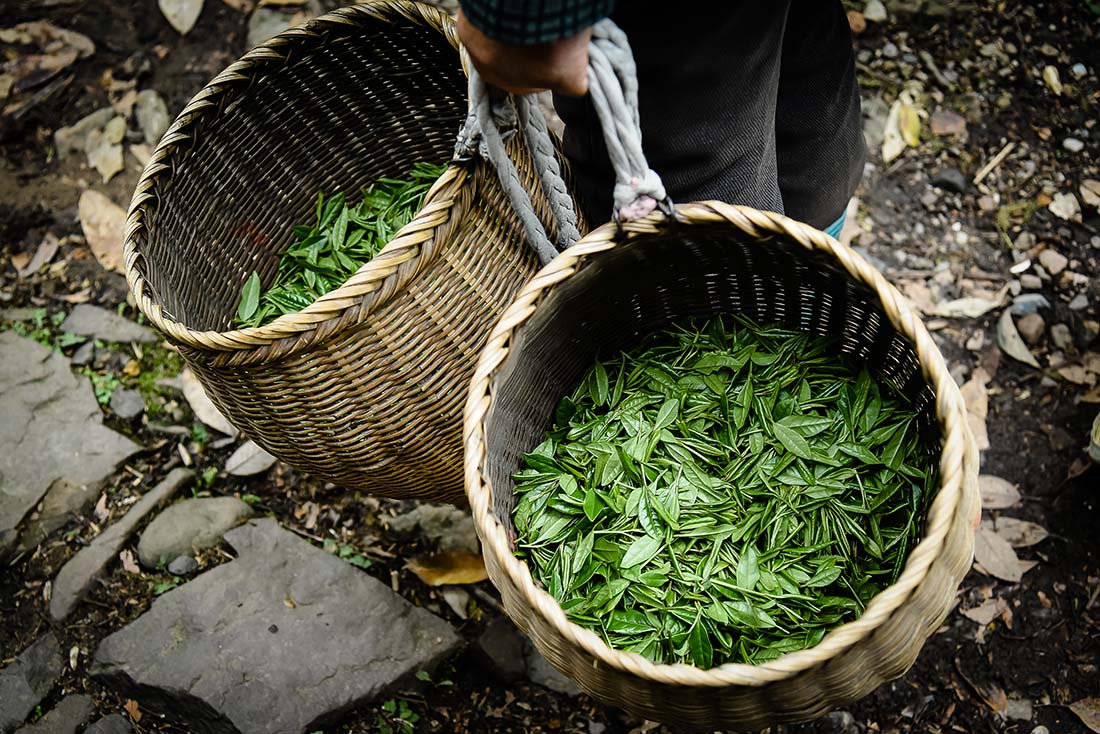
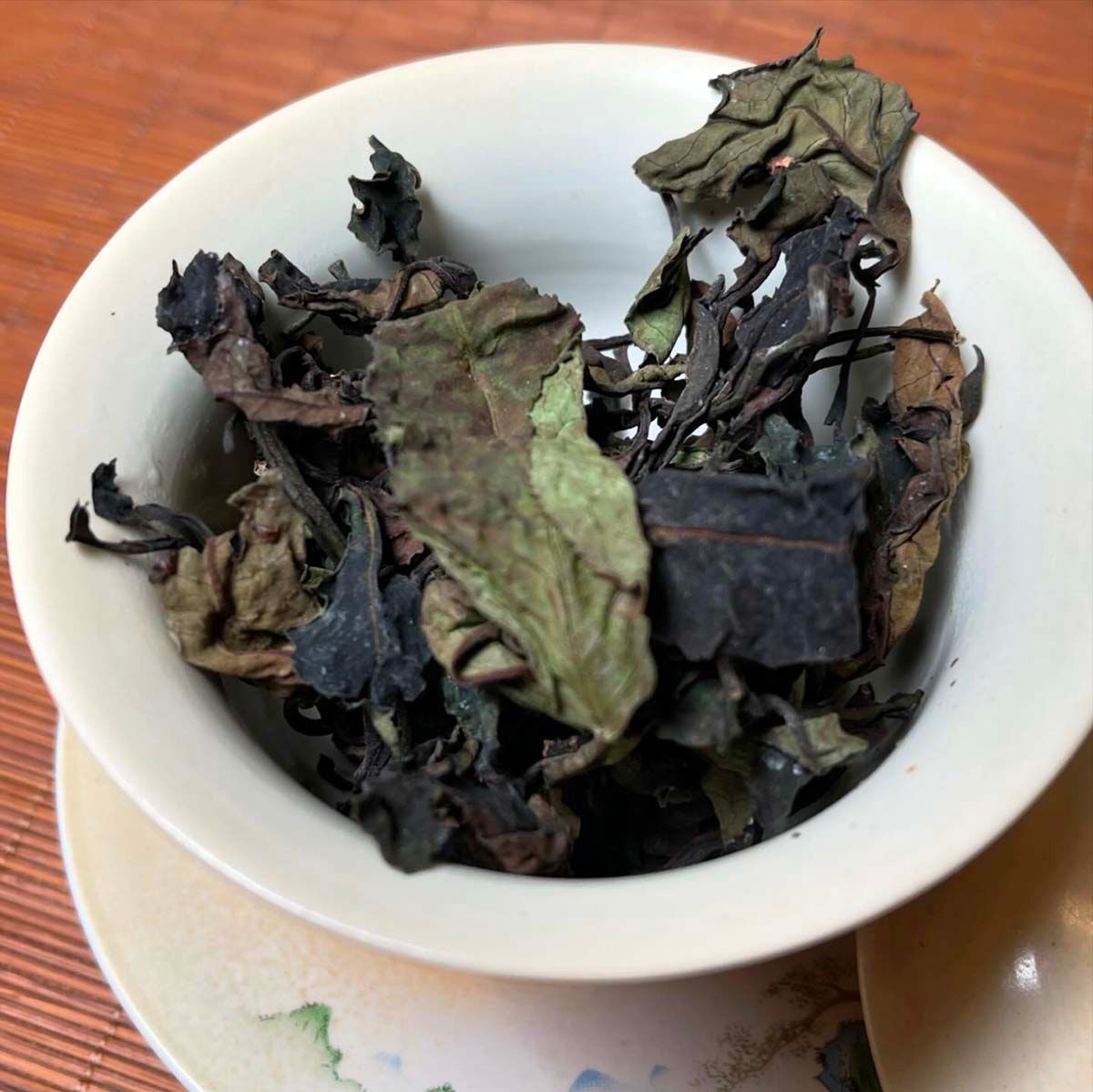
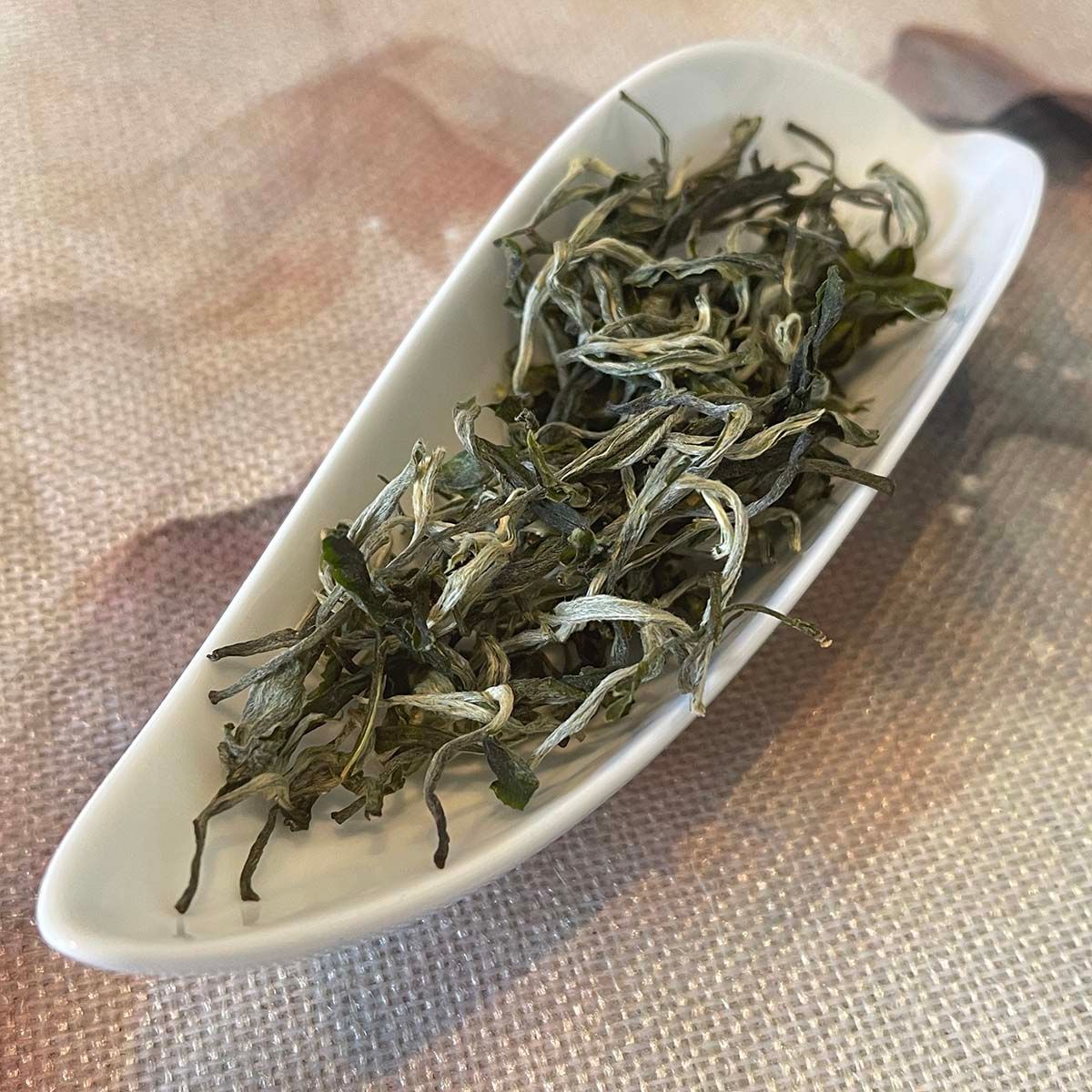
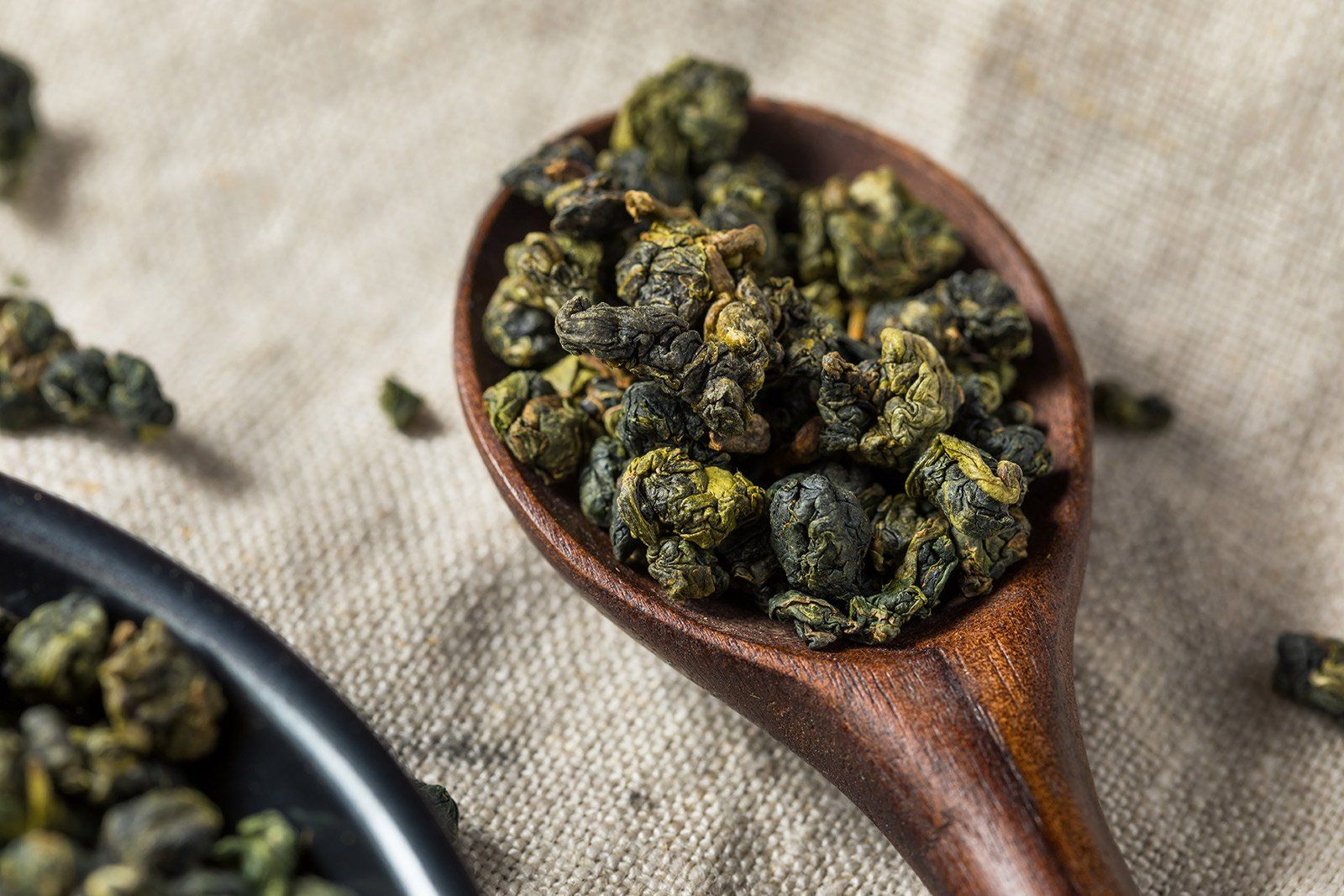
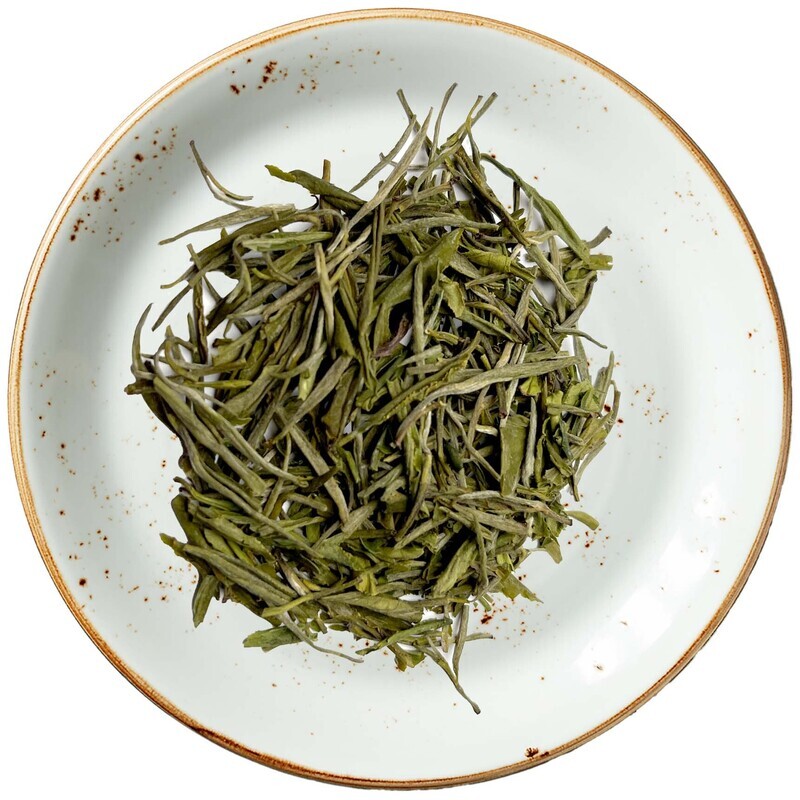
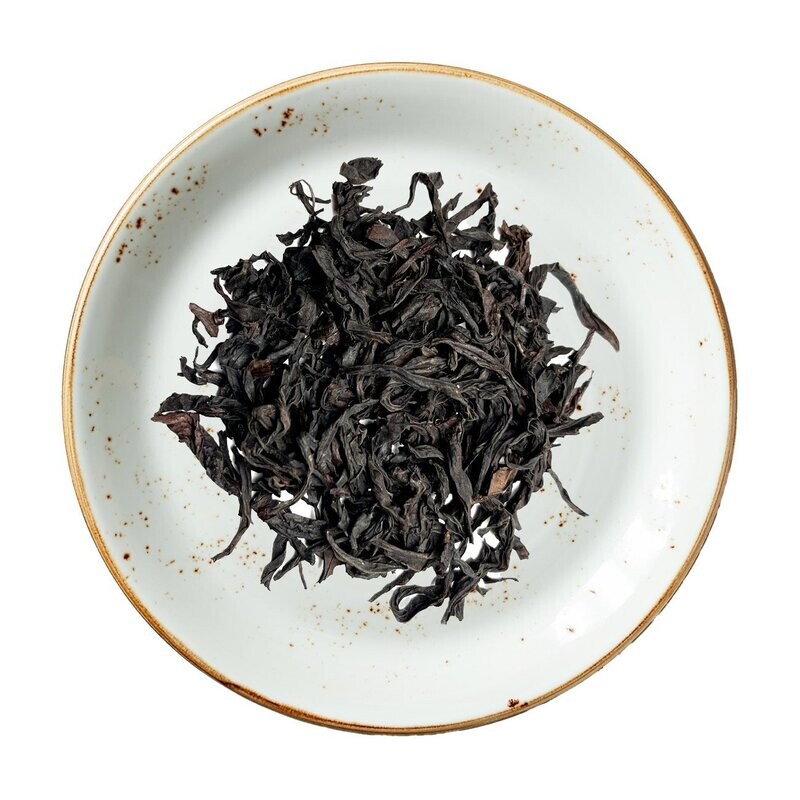
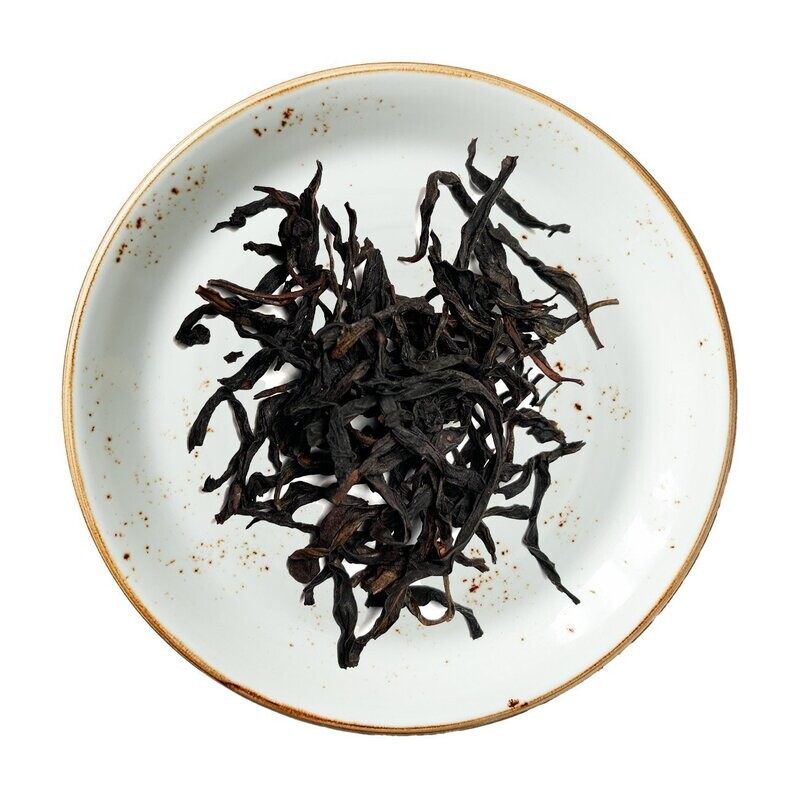
A whole leaf behaves completely differently. It unfurls slowly, giving up its lighter aromatics first and its deeper, rounder notes after that. Brew it gong fu style with several short steeps, and each pour tastes a little different from the last. That's something a bag of dust simply can't do.
The Flavor Difference Comes Down to Essential Oils
The aroma in a really good cup of tea comes from volatile essential oils in the leaf, and those oils are fragile. They start breaking down the moment a leaf is broken, and air, light, and heat all speed that up.
Since fannings and dust are already smashed into tiny pieces, their oils fade fast. By the time that tea reaches your kitchen — usually months after it was made, after a warehouse and a store shelf — most of what made the leaf smell alive is gone. What's left can still make a brown, tea-flavored drink. It just can't make a memorable one.
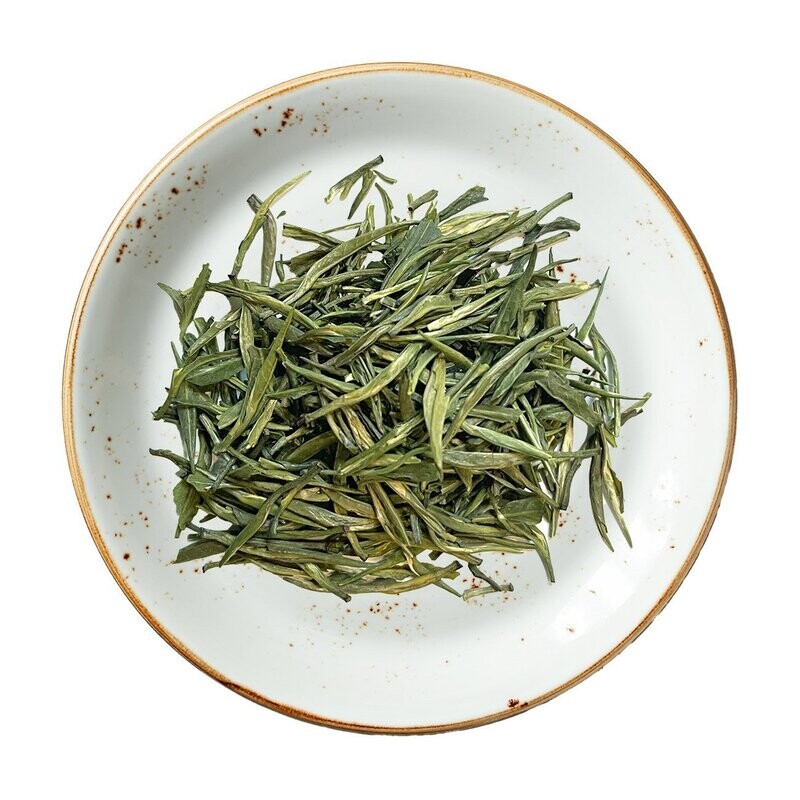
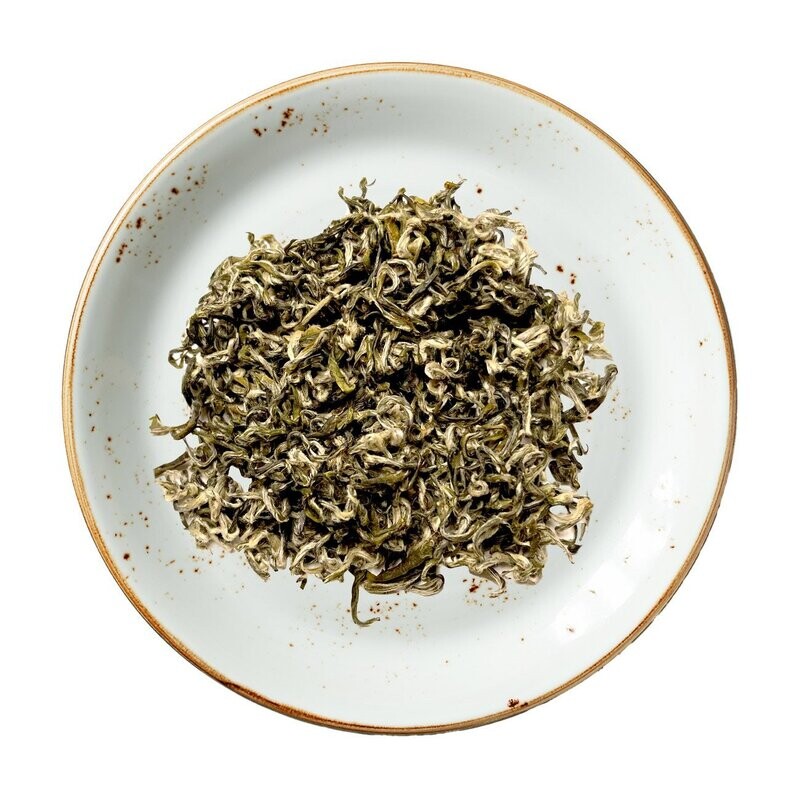
Whole loose leaf, kept in a sealed tin away from light and heat, hangs onto those oils far longer. Open a fresh bag of good Long Jing or Bi Luo Chun and the smell hits you right away: toasted chestnut, fresh-cut grass, something clean and floral underneath. That aroma is exactly what shows up in your cup. You'll never get it from a standard bag, and the difference isn't subtle once you've tasted both.
Health: Antioxidants, Pesticides, and Microplastics
Green tea gets a lot of attention for its antioxidants, mainly catechins like EGCG, and how the tea is processed has a real effect on how much survives to your cup.
Whole leaf holds onto more of that original content than heavily broken fannings do, because the structure of the leaf stays intact until you actually brew it. Chinese green teas, which are pan-fired quickly at high heat to stop oxidation, keep a strong share of their catechins when they're stored and brewed properly.
There's also the question of what else might be coming along for the ride. Two things are worth knowing about conventional bags:
- Pesticide residue. A lot of mass-market tea is grown with heavy commercial pesticide use. Loose leaf from traditional regions with established organic practices, including many of the Chinese teas we carry, tends to be grown with far lighter chemical inputs. Knowing where your tea comes from genuinely matters here.
- Microplastics. Plenty of those pyramid and "silken" bags are made from nylon or PET plastic mesh. Studies have found that a single plastic bag steeped at brewing temperature can shed billions of microplastic particles into the water. Paper bags skip that problem but often bring their own bleaching agents and sealing glues. Loose leaf sidesteps the whole question.
What Tea Bags Leave Behind
Think about everything one bagged cup throws away: the bag, the tag, the string, the staple, and the little wrapper, all for a single mug. Paper bags are compostable in theory, but most still get sealed shut with a bit of plastic that keeps them from fully breaking down, so they end up in landfill. Plastic pyramid bags don't compost at all.
Loose leaf leaves you with one thing: spent leaves. They compost beautifully and can go straight into the garden, where they're a gentle soil amendment. The packaging is usually a resealable tin or pouch you'll reuse for ages, and one tin holds enough tea for dozens of sessions. If you drink tea every day, the difference in what you toss out over a year really adds up. It's one of the quieter reasons to switch, and one of the most concrete.
Variety: A Much Bigger World
The bagged tea aisle runs on a handful of familiar names: English Breakfast, Earl Grey, chamomile, "green tea." They're blended to taste the same in every box, every season, from every shelf. Consistency is the whole goal, and character is what gets sanded off in the process.
Loose leaf is the opposite. Every region grows teas shaped by its own altitude, soil, weather, and the people who've been making tea there for generations. A Long Jing from Hangzhou tastes nothing like a Mao Feng from Fujian, which tastes nothing like a Zhu Ye Qing from the slopes of Sichuan's Mount Emei. All three are green tea. All three are completely their own thing.
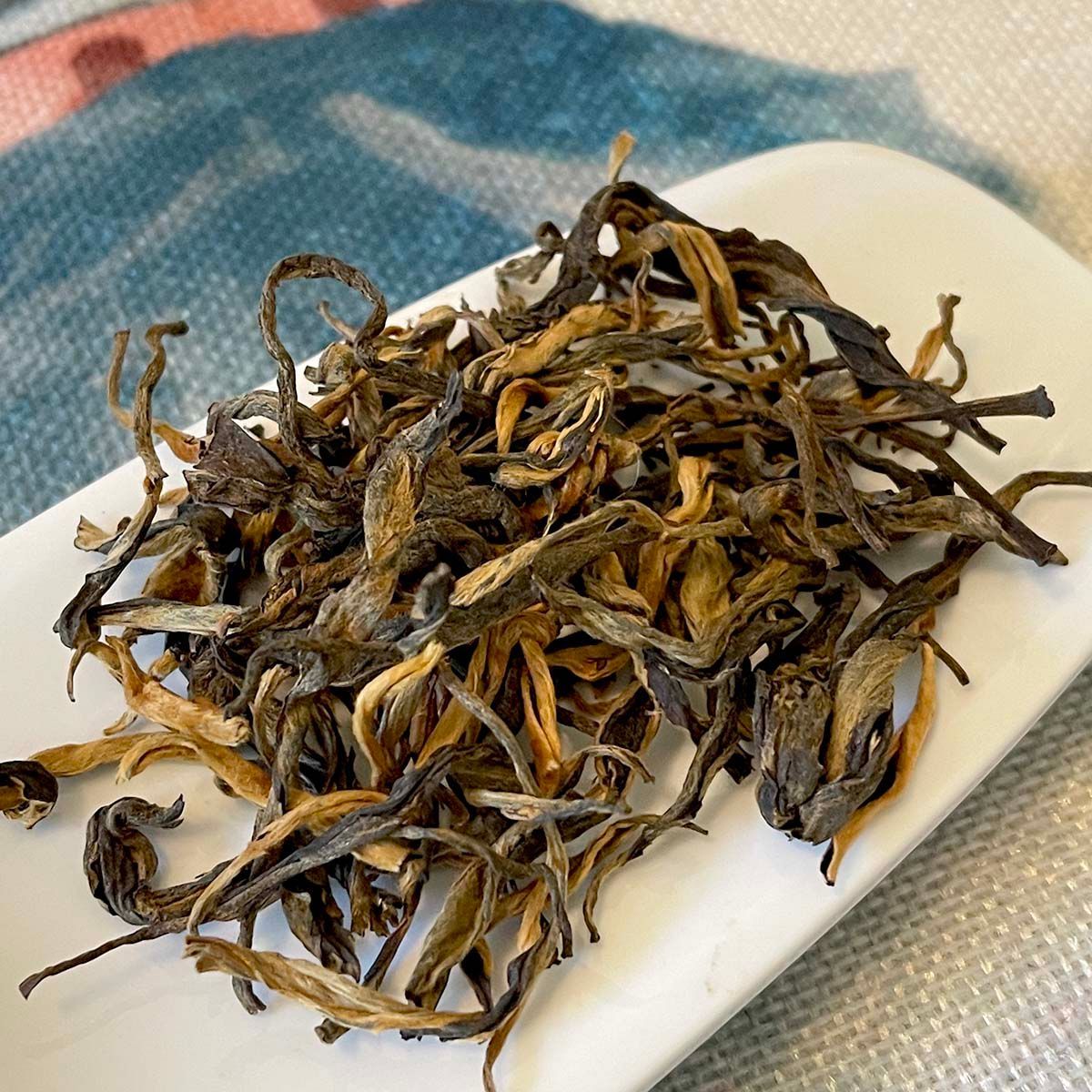
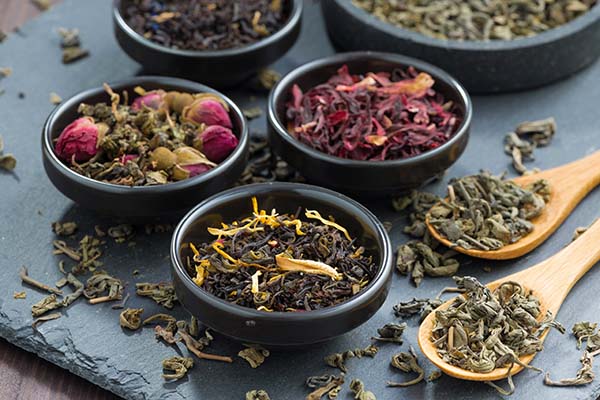
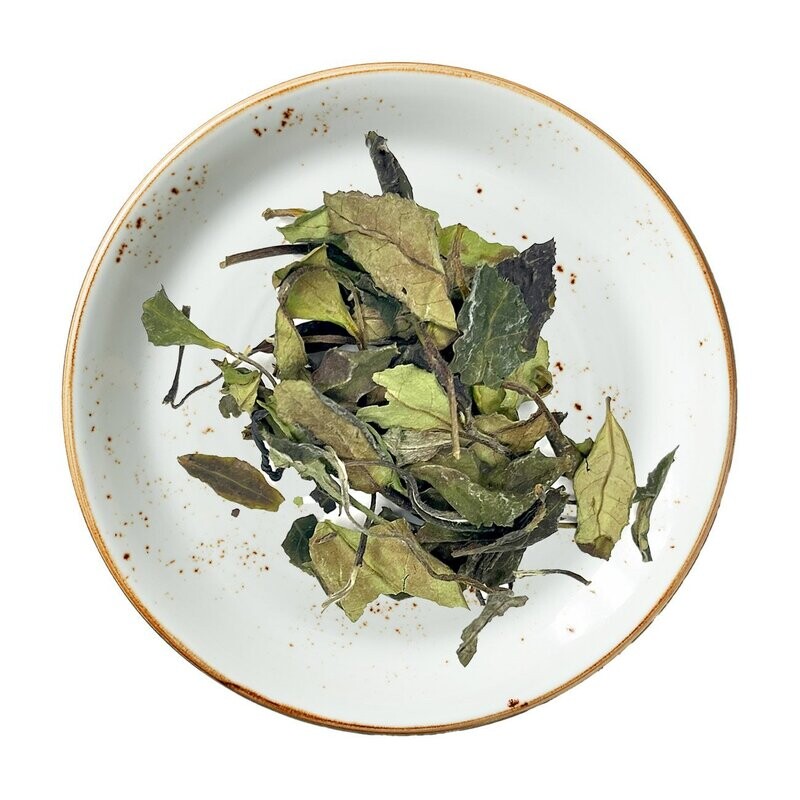
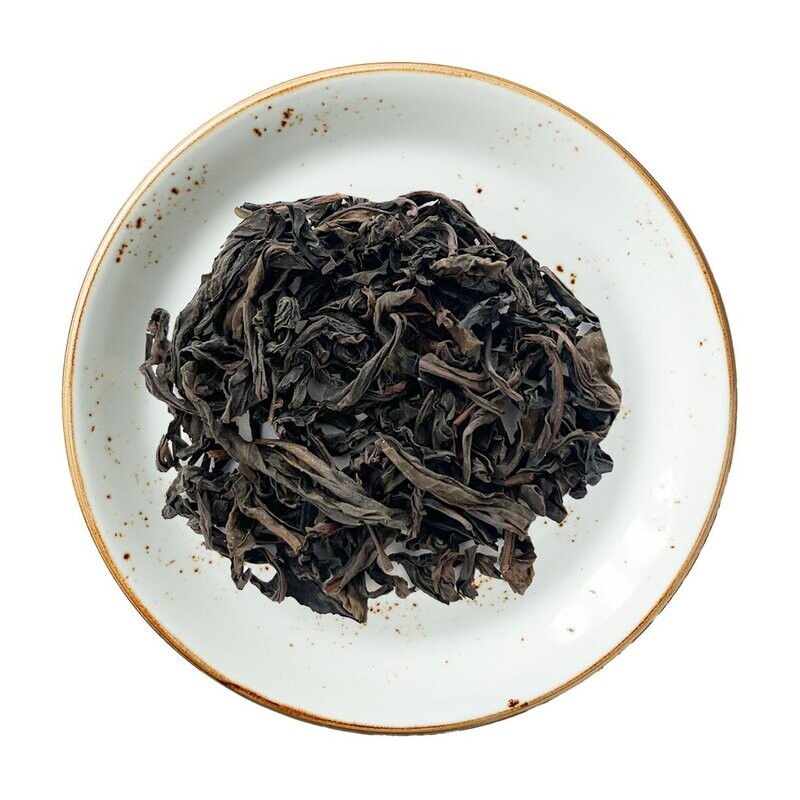
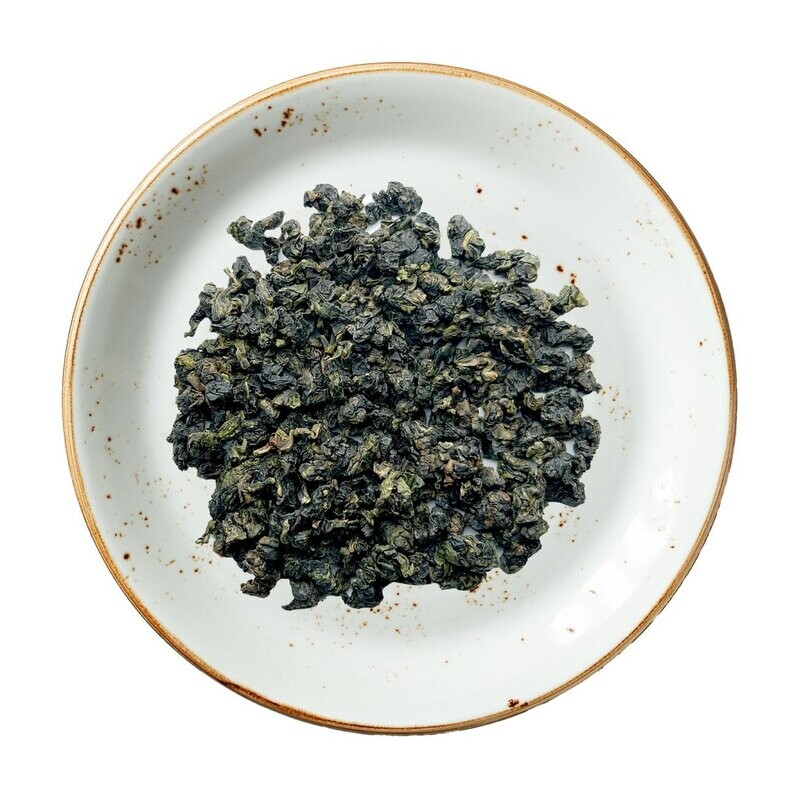
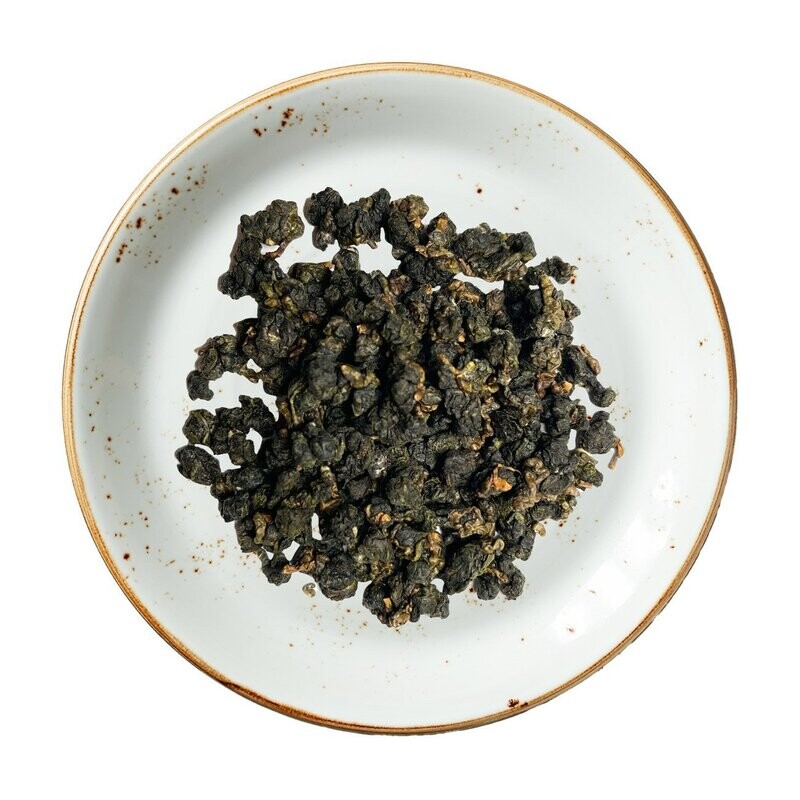
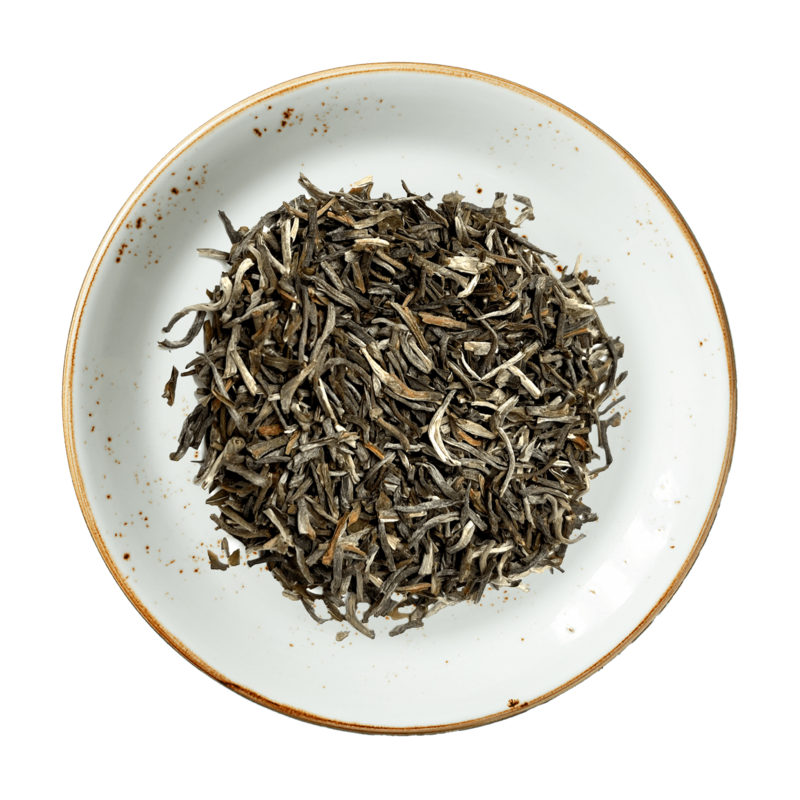
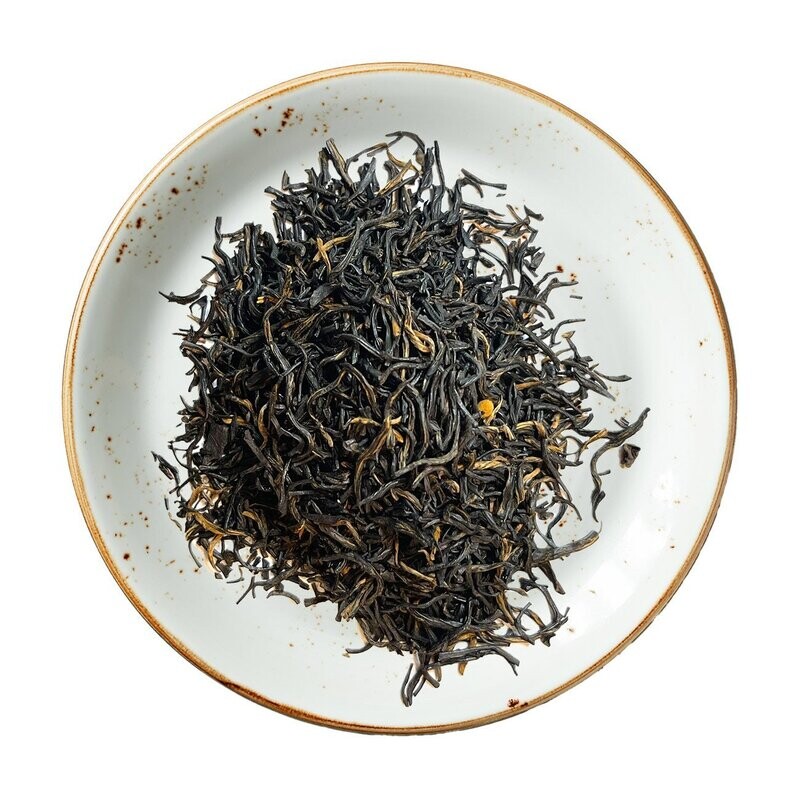
That range runs through every category. White teas go from delicate silver needles to fuller, leafier Shou Mei with a totally different feel. Oolongs stretch from bright, floral Taiwanese high-mountain teas to dark, roasted rock oolongs from Wuyi. Black teas cover everything from the malty Assam grades behind most breakfast blends to the soft, wine-like complexity of a Keemun. Honestly, exploring loose leaf is a project you can happily spend years on. There's always another tea you haven't met yet.
The Real Value: How Many Cups You Actually Get
At a glance, loose leaf looks more expensive than tea bags by the ounce. That comparison falls apart the moment you count how many cups each one gives you.
A tea bag makes one cup. One steep, then the bin. A good loose leaf tea brewed Western style will usually give you two solid steeps, and often a third that's lighter but still pleasant. Brew that same leaf gong fu style and 6 grams will carry you through 5 to 8 full infusions, each with its own character.
Put numbers on it: at 6 grams per gong fu session, a 50-gram tin of good Chinese green tea is roughly 8 full sessions, and each session pours the equivalent of 5 to 8 small cups. That's 40 to 64 cups out of one tin that runs maybe $5 to $15. No tea bag on any shelf gets close to that, and none of them give you that kind of cup at any price.
Where Loose Leaf Really Shines: Gong Fu Cha
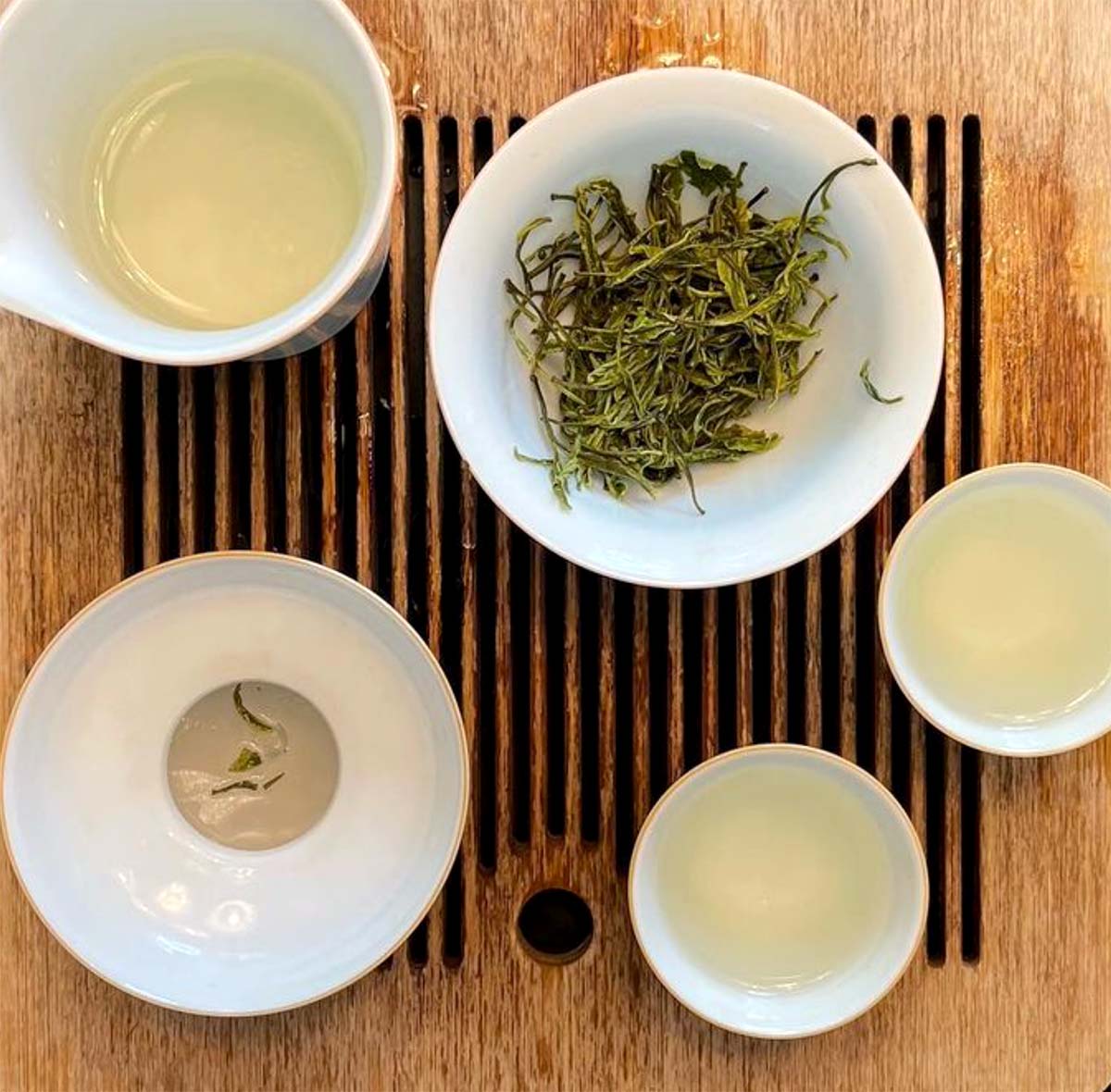
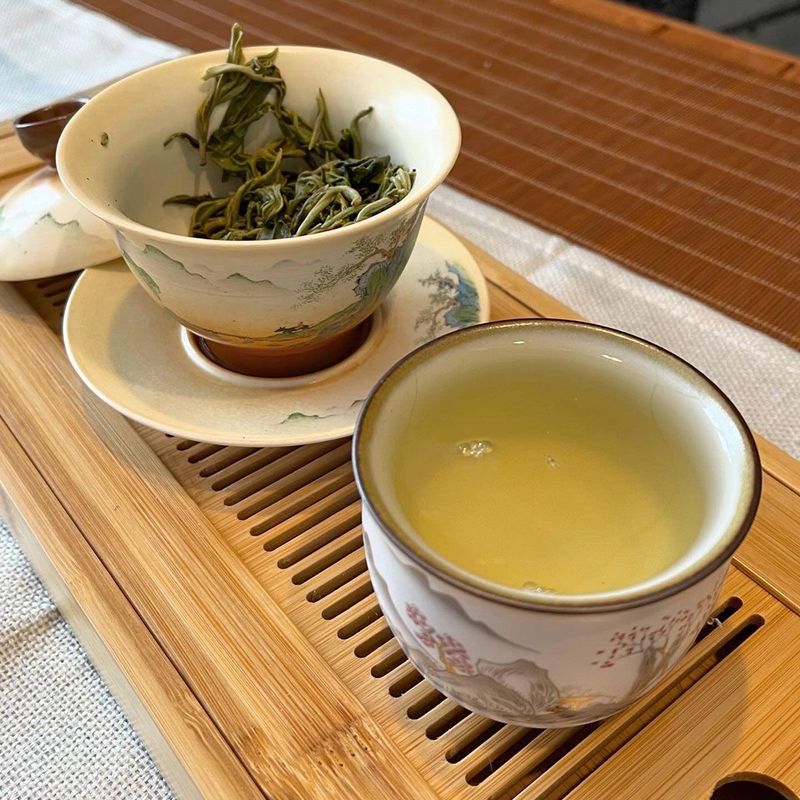
Gong fu brewing — a lot of leaf, a small gaiwan, and a series of short infusions — just isn't possible with bags or fannings. The whole method depends on real leaves that can take repeated steeping and show you something new each time.
In a gong fu session, a Long Jing might open with fresh grass and a little sweetness, turn toward toasted chestnut on the second pour, then settle into something silky and floral by the fourth. A Lu Shan Yun Wu starts delicate and slowly thickens into an almost creamy mouthfeel. Try to brew fannings the same way and you get nothing, because there's no structure left in the leaf to release anything gradually. It all comes out in the first ten seconds.
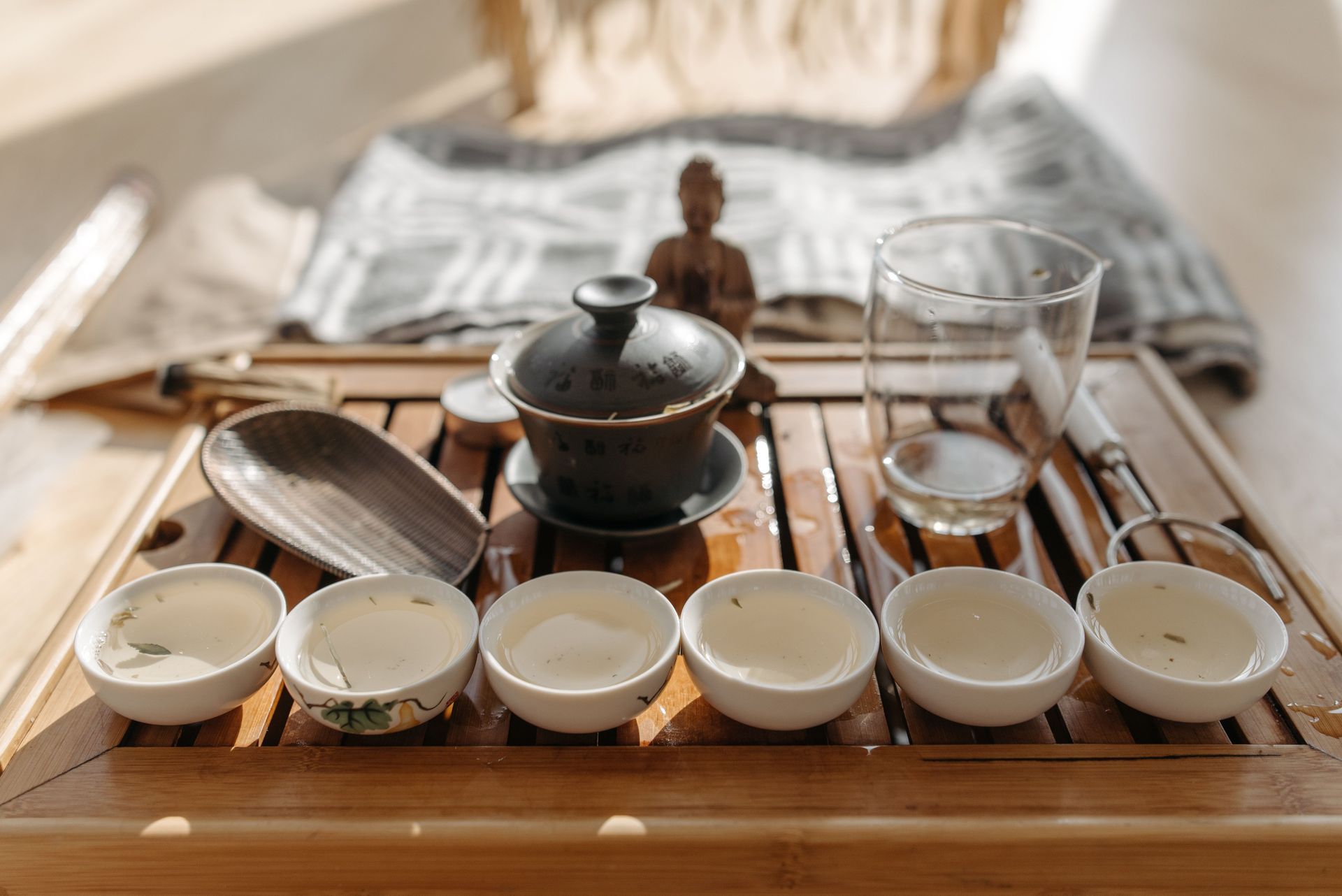
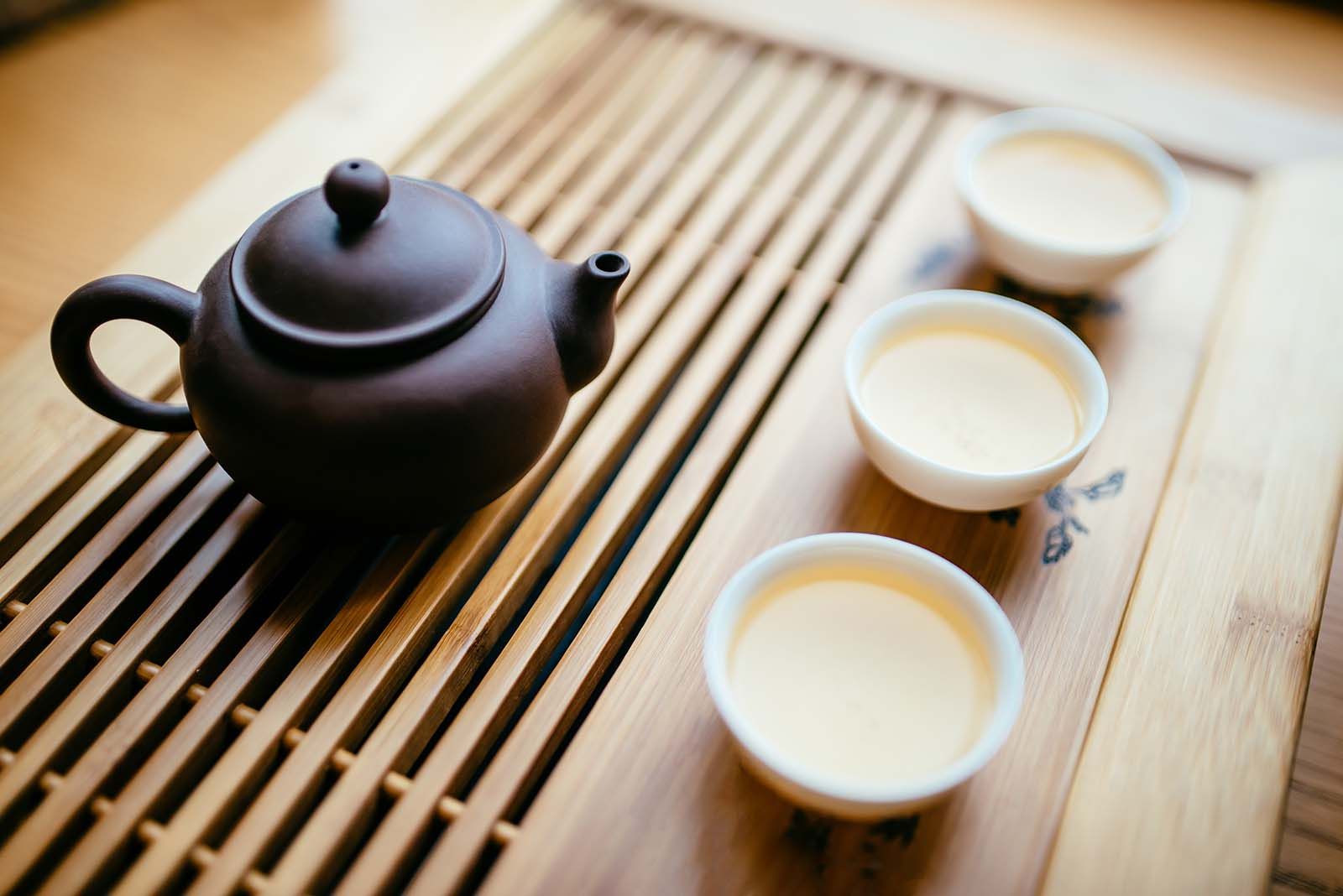
If gong fu brewing sounds appealing, you really only need a bamboo tea tray and a gaiwan to get going. The gear is inexpensive, the method is easy to pick up, and watching the same leaves change across six pours is one of those small pleasures a tea bag was never going to give you.
Getting Started with Loose Leaf Tea
Switching over doesn't take much money or any special skill. For Western-style brewing, a simple mesh infuser or basket strainer, a kettle, and a mug will do the job. For gong fu, add a small gaiwan and a bamboo tray, and that's genuinely the whole kit.
For most people, the easiest place to start is a Chinese green tea, and specifically a Long Jing (Dragon Well). It's smooth, hard to mess up, and gives you a clear sense of what whole leaf tastes like that a bag never will. Brew it at 78°C (172°F), 2 to 3 grams in 250ml, for about 2 minutes. Then pour a second steep from the same leaves. That's usually the moment it clicks.
We source loose leaf tea straight from China's main growing regions — green, white, oolong, black, and herbal — and it's all whole or large-cut leaf. No fannings, no dust, no bags.
Browse the Full Adhara Collection →
Not sure where to begin? Email us at contact@adharatea.com or call (910) 594-4822 and we'll point you somewhere good.
Frequently Asked Questions
Why does loose leaf tea taste better than tea bags?
Loose leaf tea is made from whole or large-cut leaves that still hold their essential oils and flavor. Most tea bags are filled with fannings and dust, the smallest broken bits from processing, which have a lot of surface area and release their tannins fast. That gives you a flat, often bitter cup that's done in one steep. Whole leaf opens up slowly and in layers instead, so you get more aroma, more depth, and the ability to steep the same leaves several times. It also holds more of its antioxidants than the broken dust in a bag ever could.
What are tea fannings and tea dust?
Fannings and dust are the smallest particles created when tea is processed. After the whole and large-cut leaves are sorted out for the loose leaf market, the fine broken bits left over get collected and packed into tea bags. They aren't made specially for bags — they're simply what's left once the better leaf has been removed. Because the particles are so small, they brew very fast and give you a strong but one-dimensional cup, without the aroma or complexity you'd find in whole leaf tea.
Is loose leaf tea healthier than tea bags?
Loose leaf generally holds onto more of its antioxidants, like the catechins in green tea, because the leaf stays intact rather than being broken down into fannings. There's also a tea-bag-specific issue worth knowing: many silken or pyramid bags are made from plastic mesh that can release billions of microplastic particles when steeped at brewing temperature. Paper bags avoid that but often contain bleaching agents instead. Brewing loose leaf without any bag steps around both concerns entirely.
Is loose leaf tea more expensive than tea bags?
It costs more per ounce up front, but it makes far more cups per gram. Brewed Western style, a good loose leaf tea usually gives you two or three steeps from the same leaves. Brewed gong fu style, those leaves can carry 5 to 8 full infusions. Once you count actual cups rather than ounces, the per-cup cost lands right alongside a premium tea bag, and you get a much better cup at every price point.
What do I need to start brewing loose leaf tea?
For Western-style brewing, a mesh infuser or basket strainer, a kettle, and a mug are all you need. For gong fu brewing, add a small gaiwan (a lidded bowl, usually 75 to 100ml) and a bamboo tea tray to catch the overflow. The whole basic gong fu setup runs well under $50. If you want a first tea to go with it, a Chinese Long Jing (Dragon Well) is the easiest starting point — smooth, forgiving, and an immediate taste of what whole leaf tea is all about.
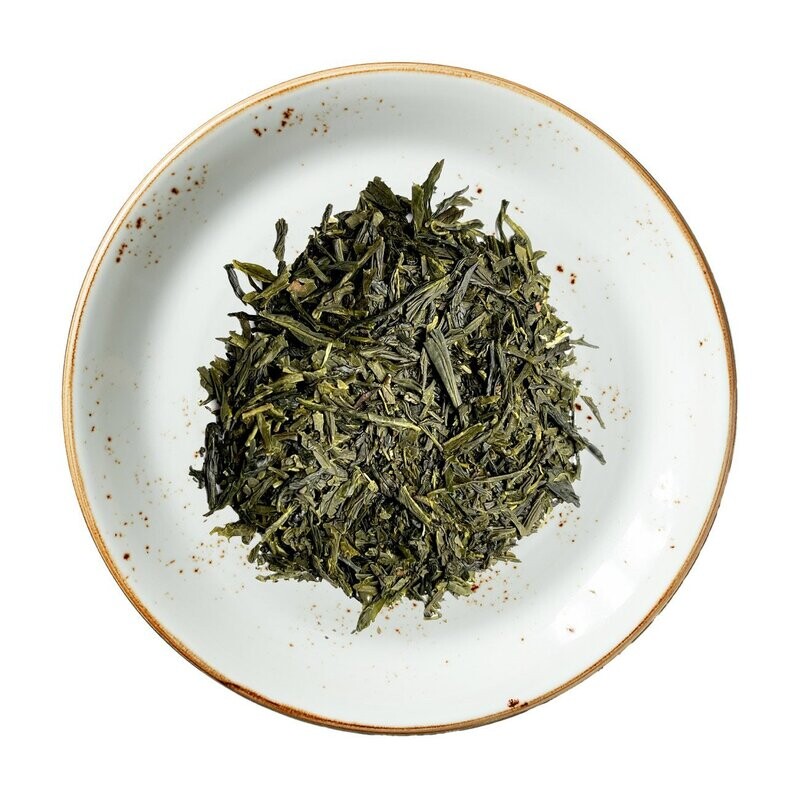
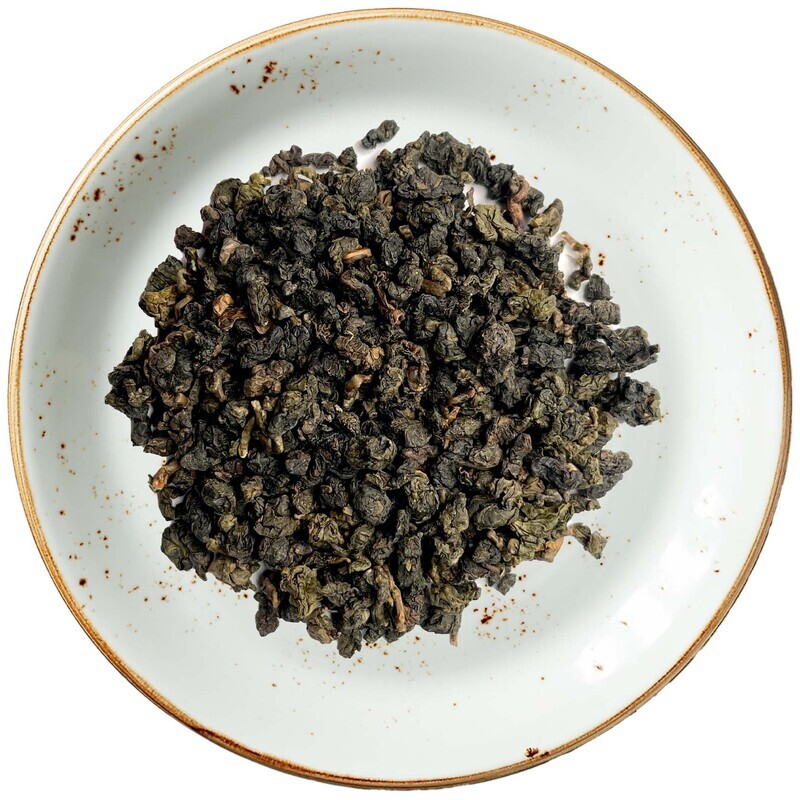
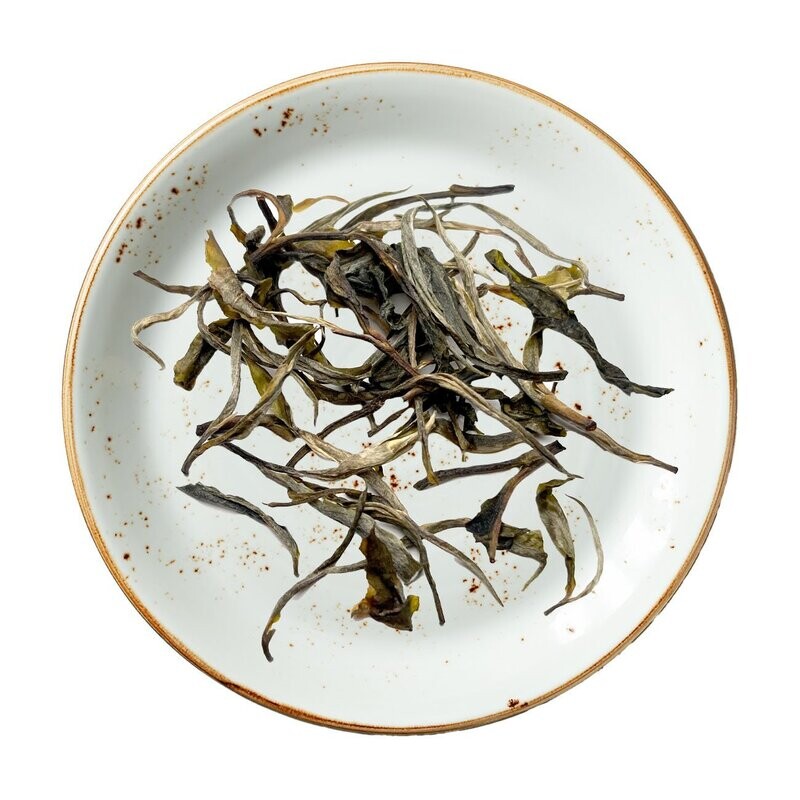
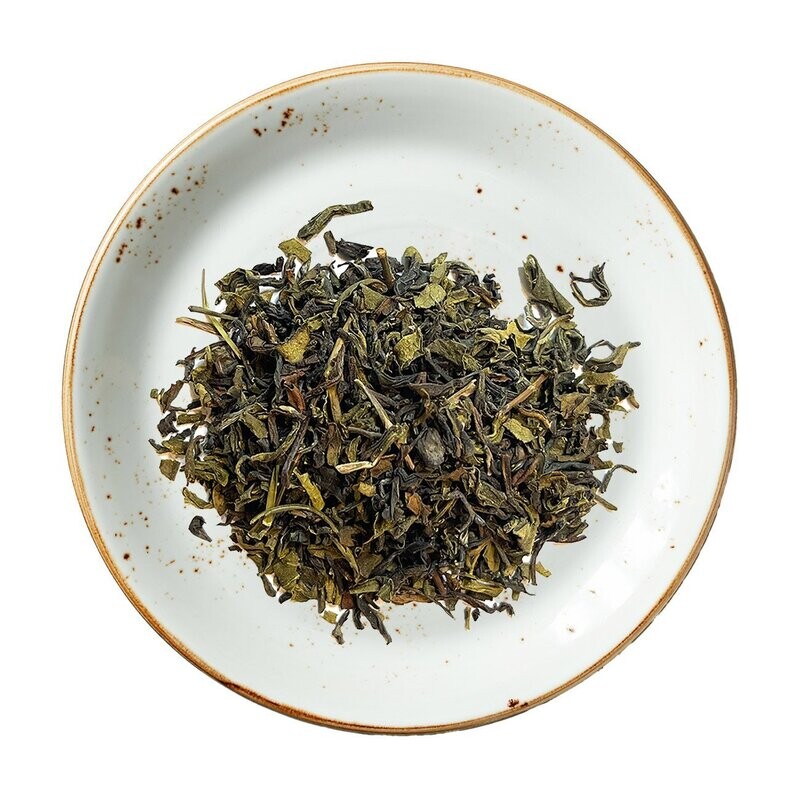

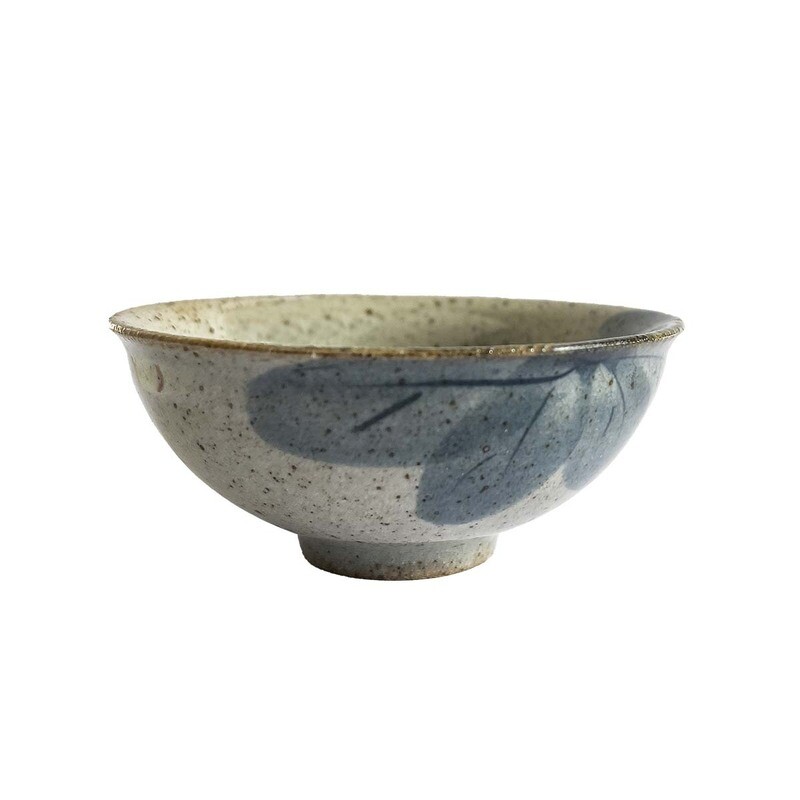
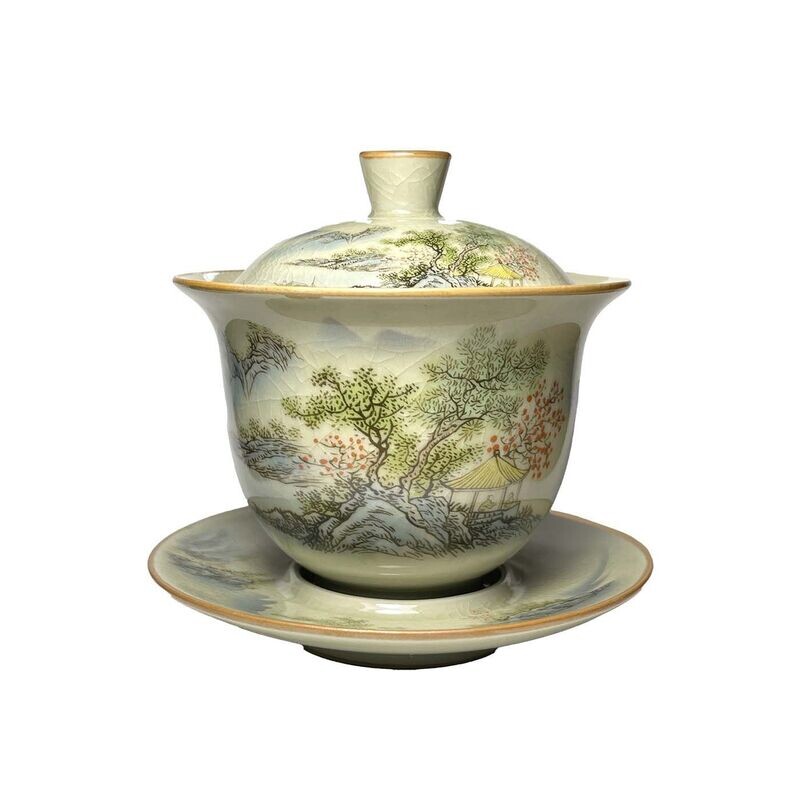
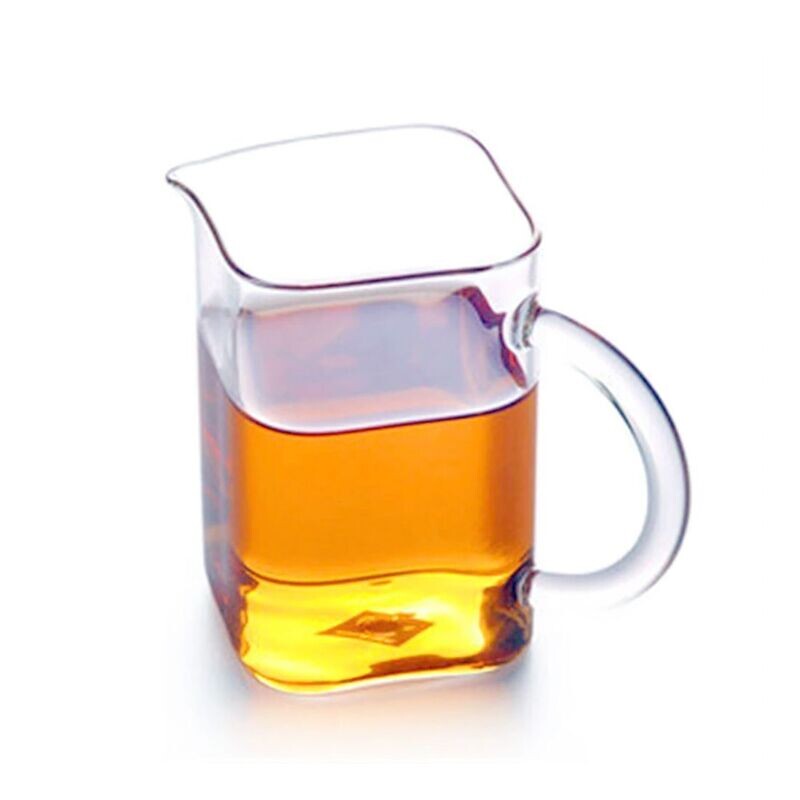
Tea Accessories
Shop Now