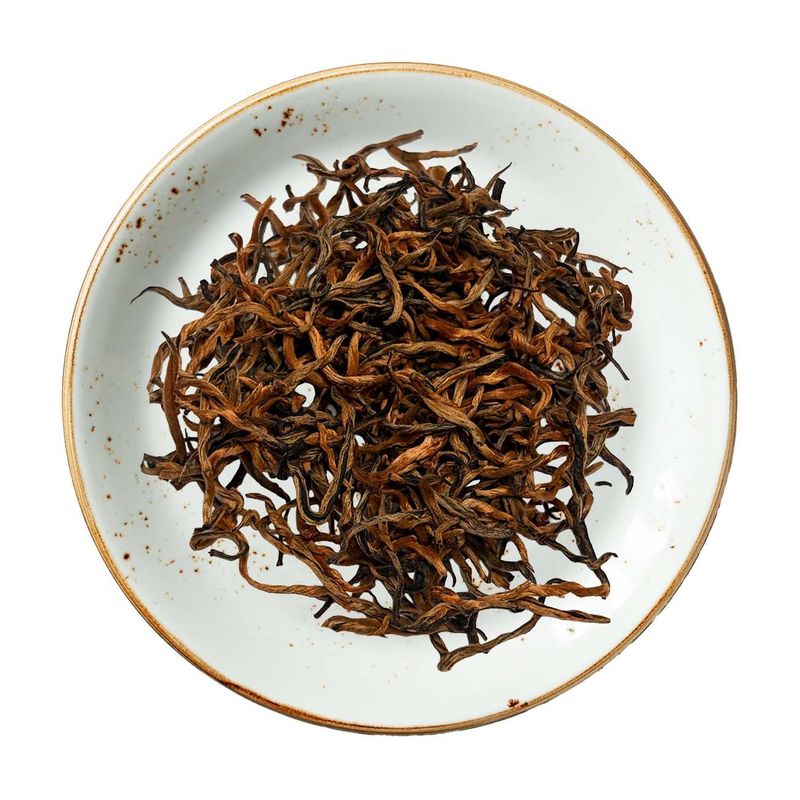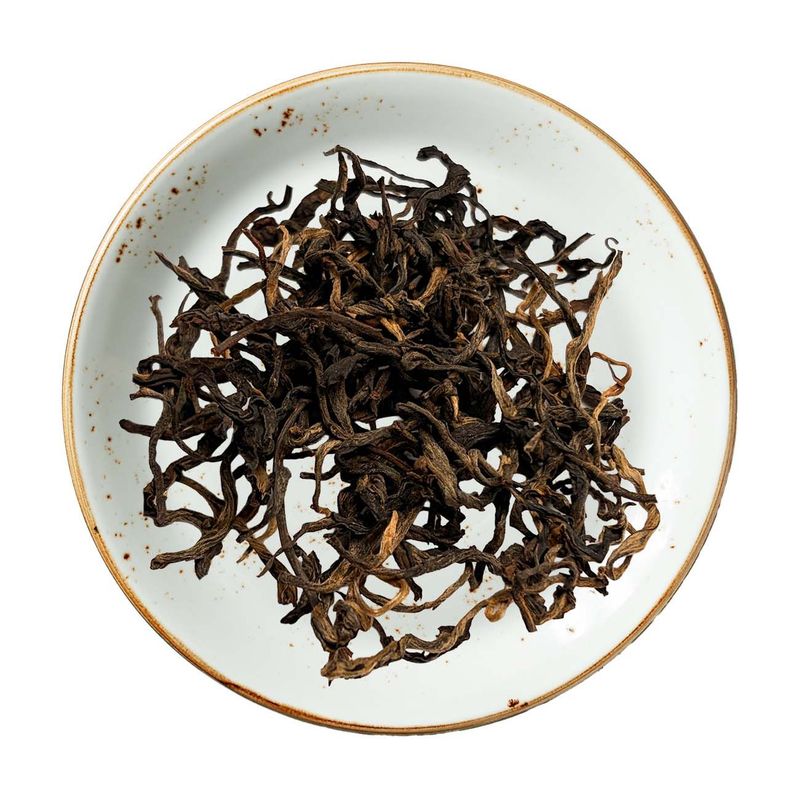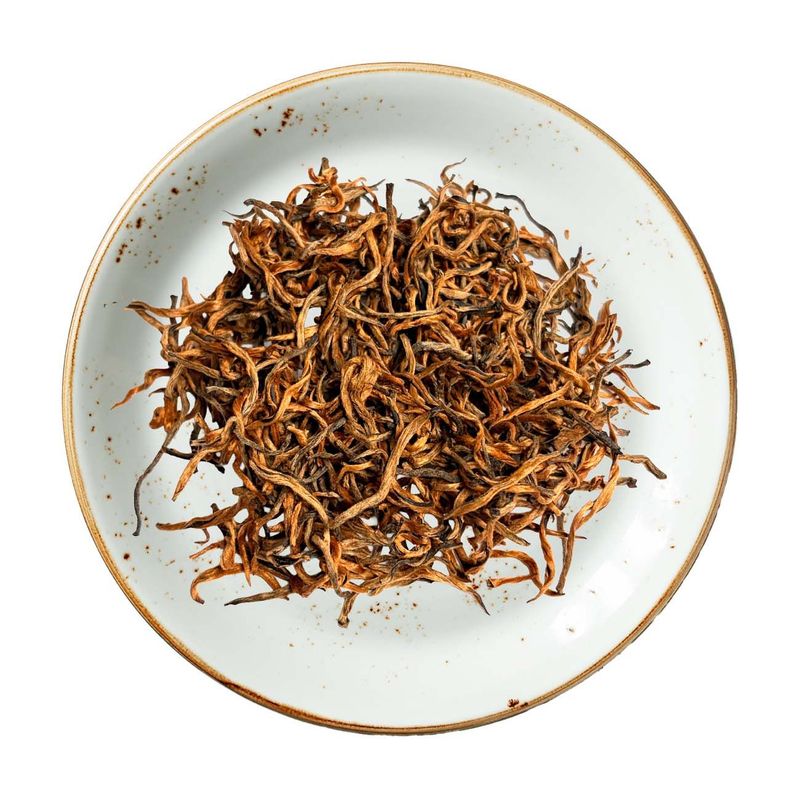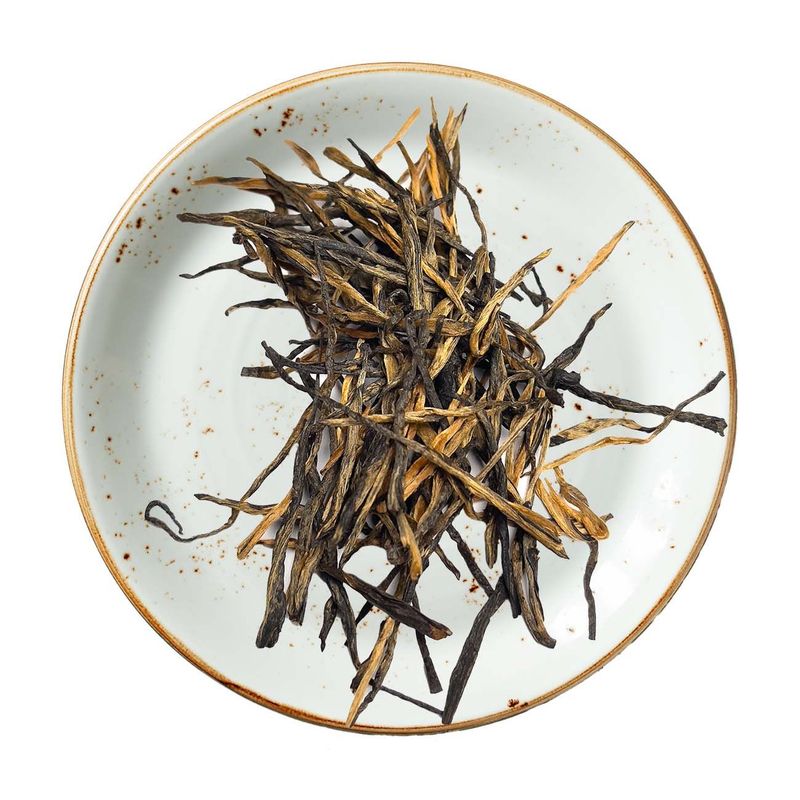

Yunnan Black Tea
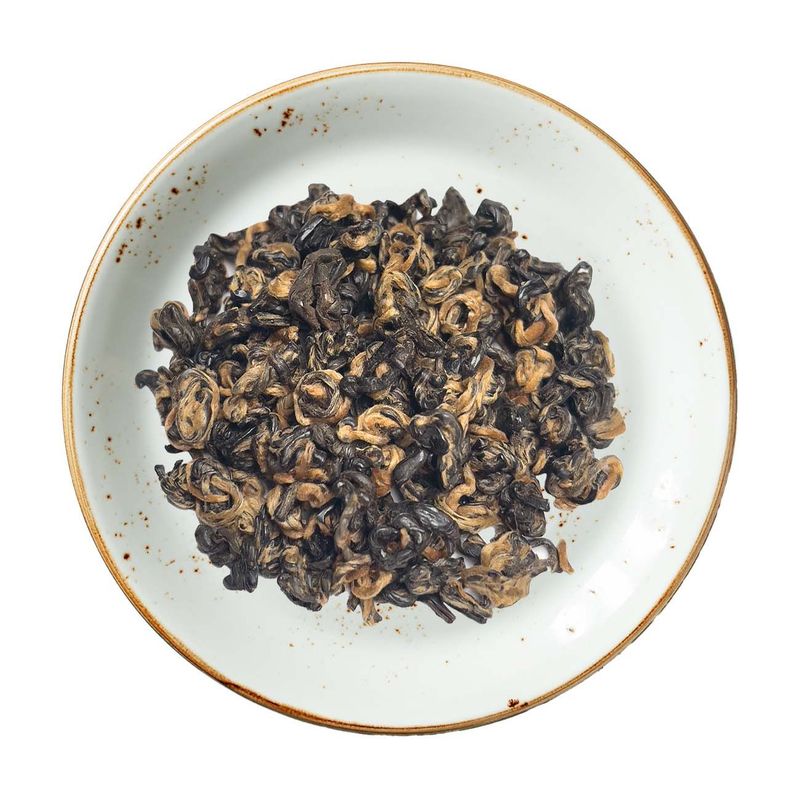
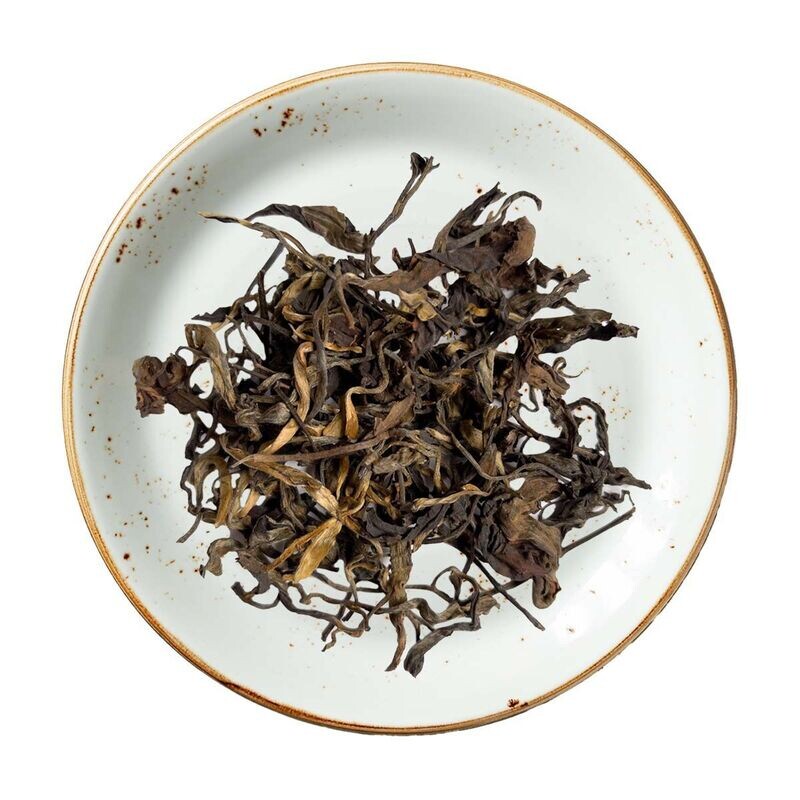
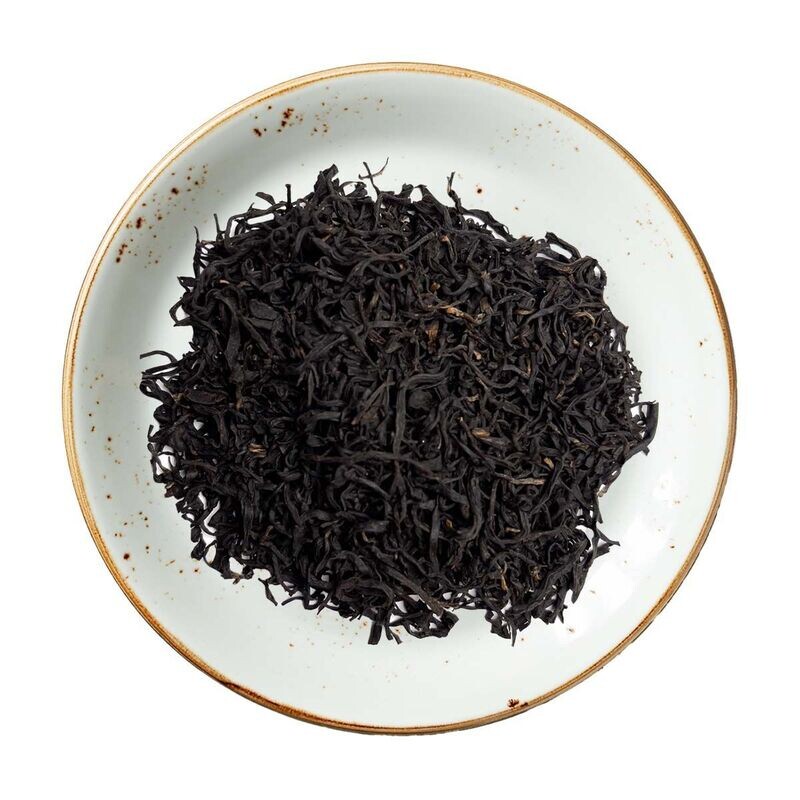
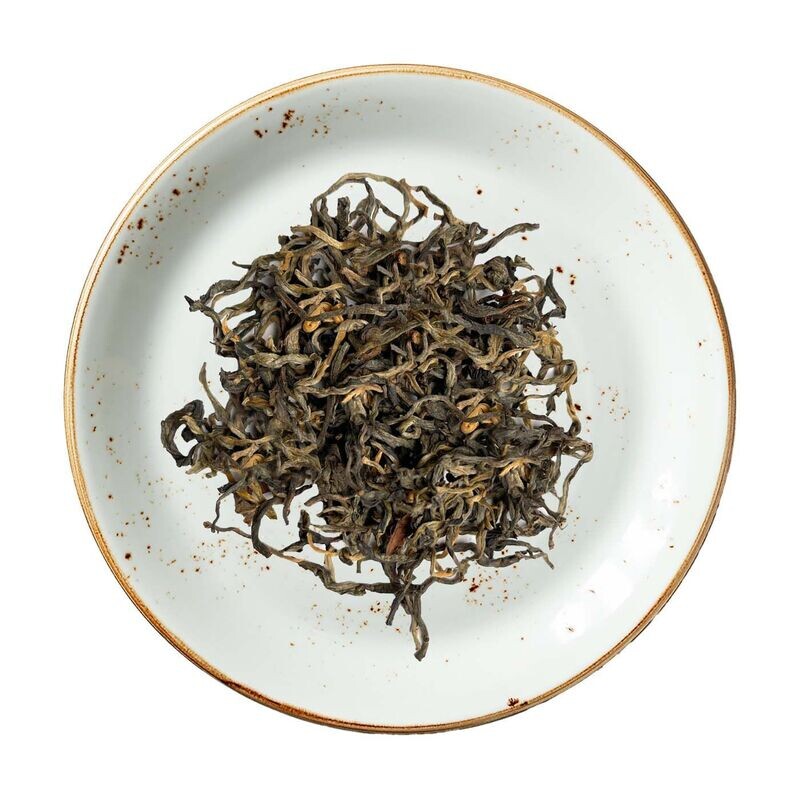
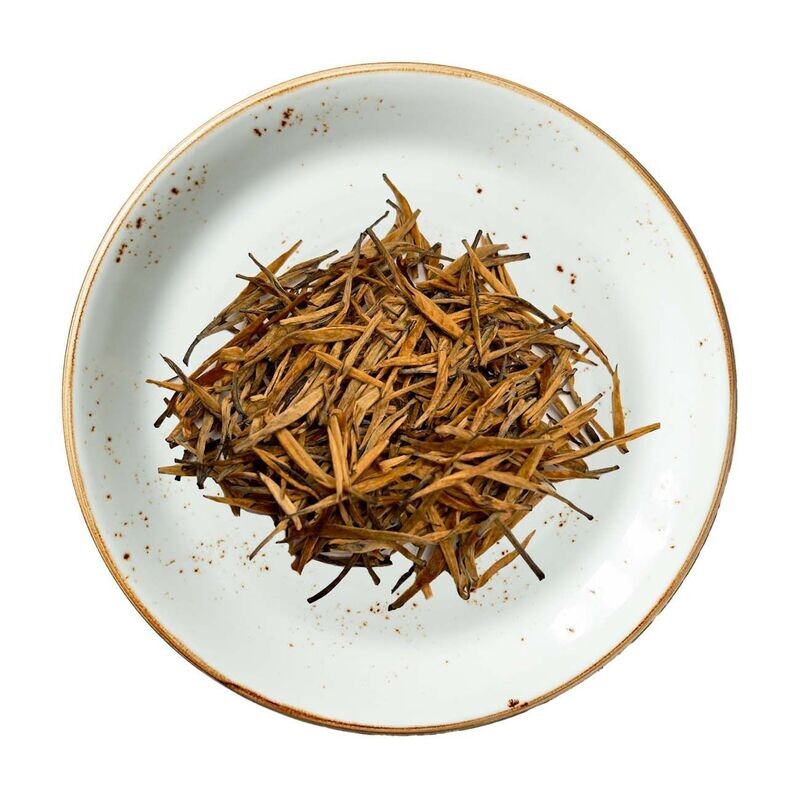
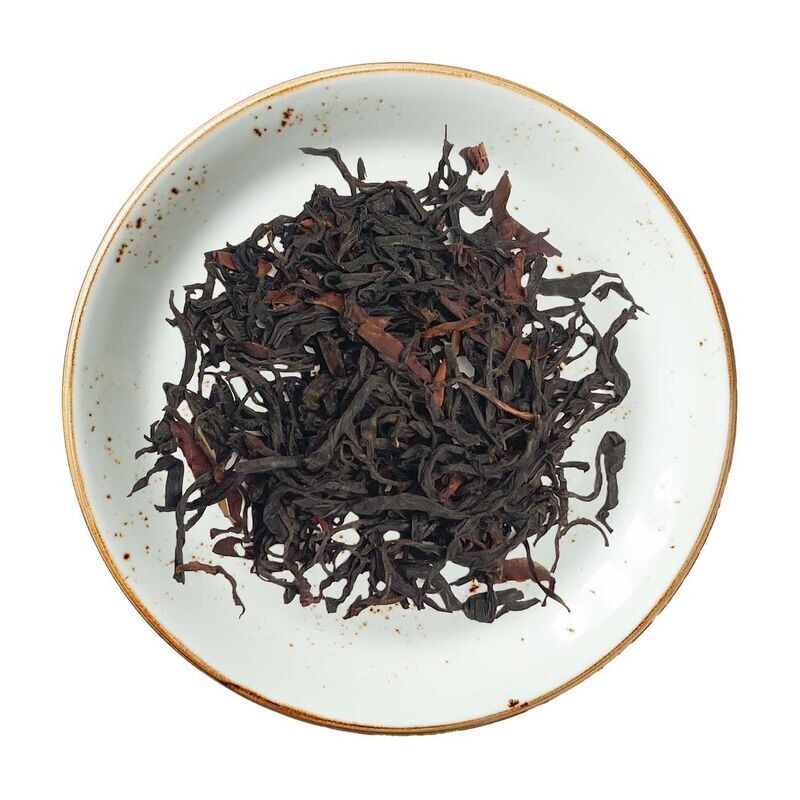
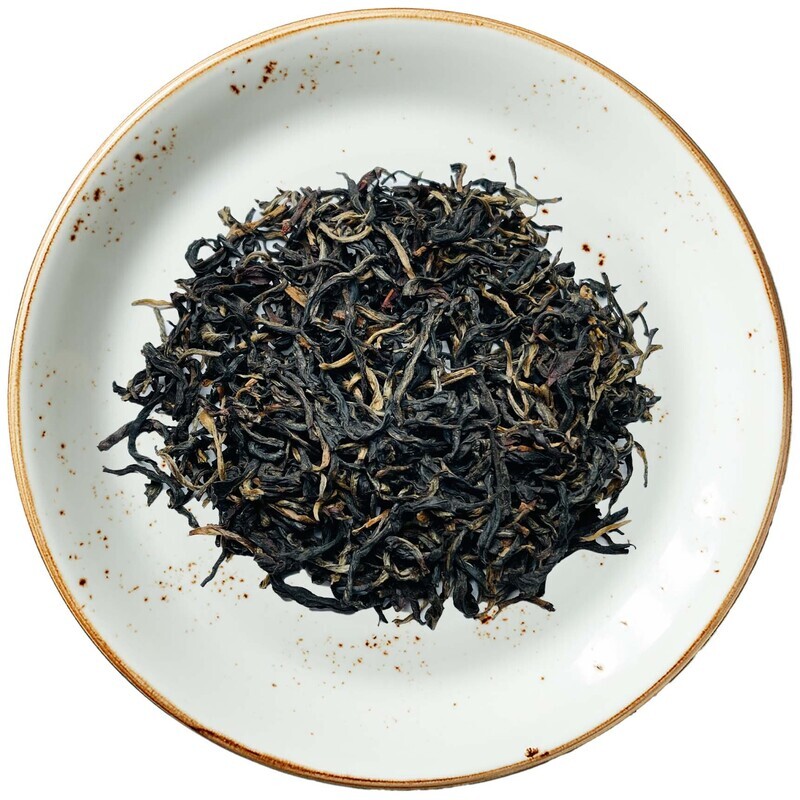
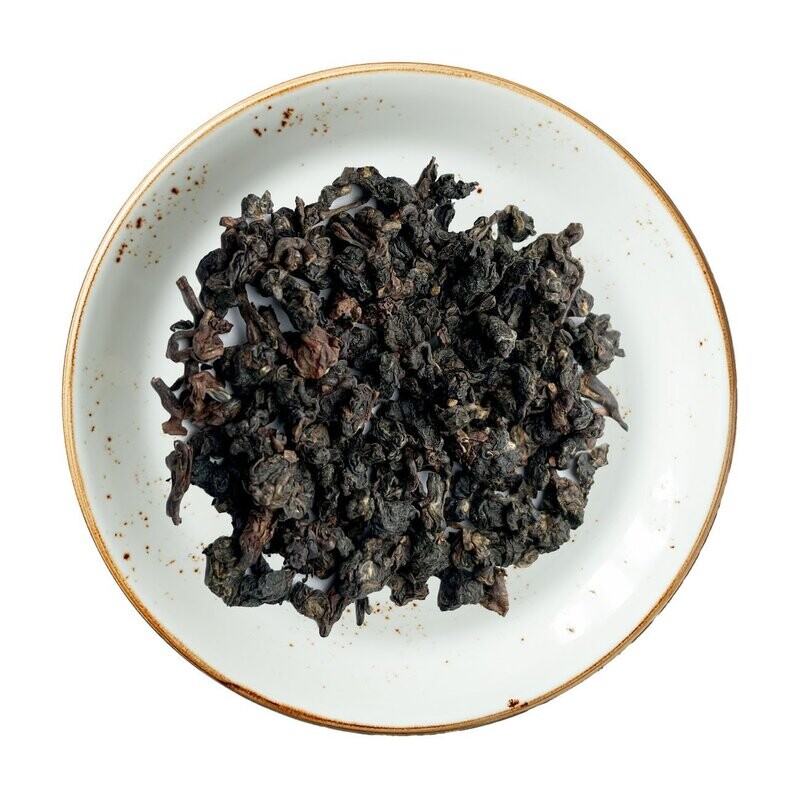
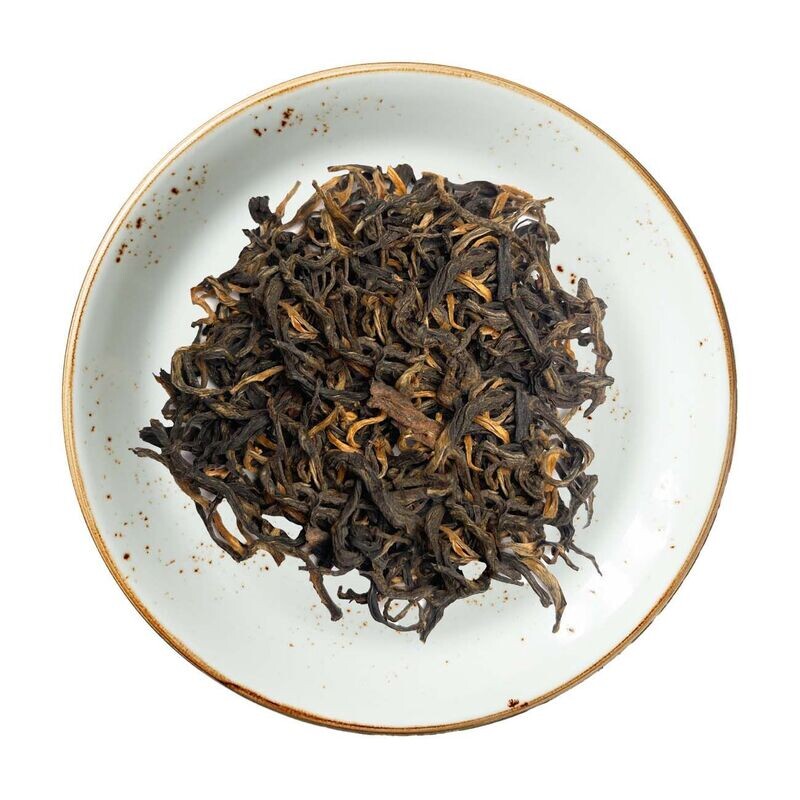
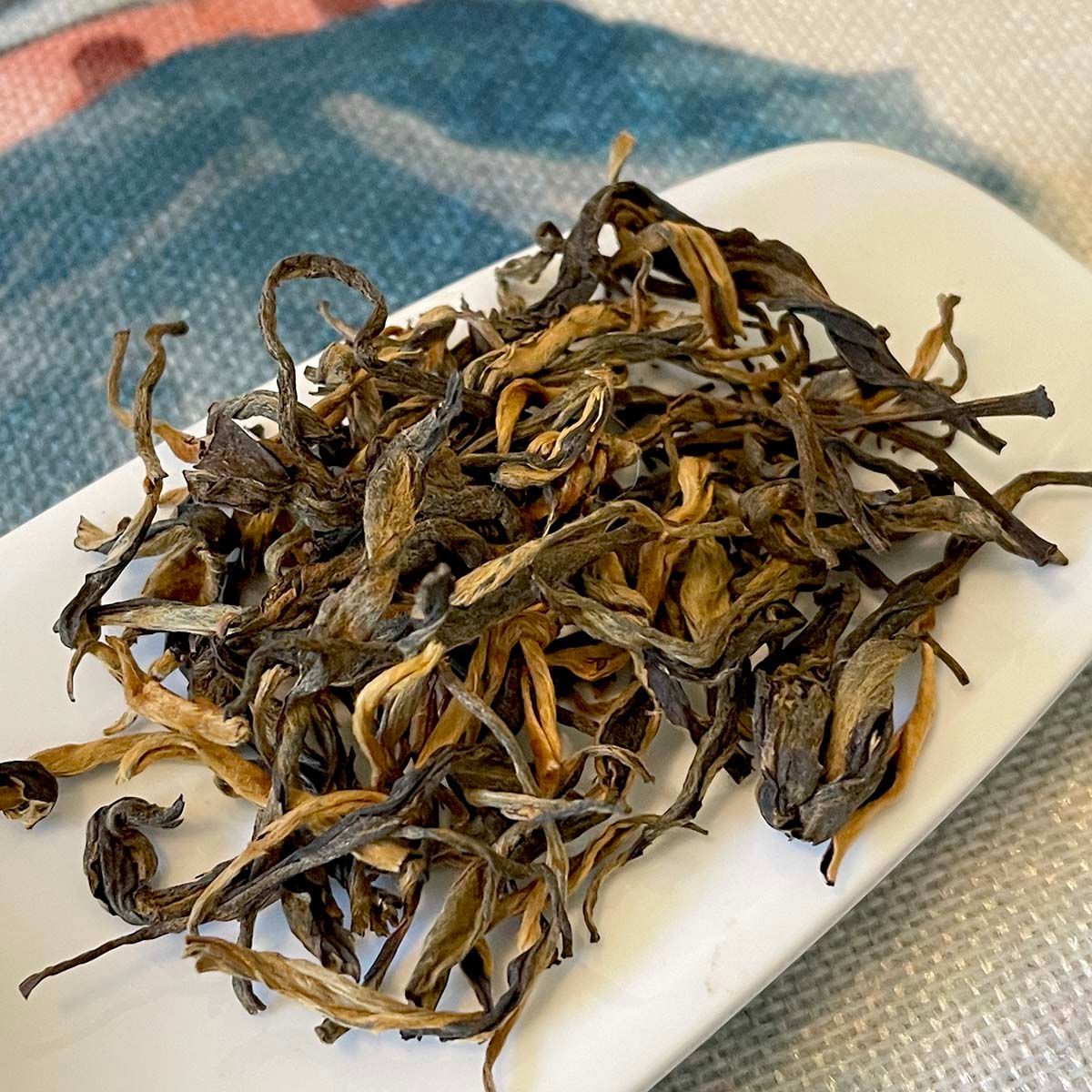
Yunnan black tea and Dian Hong are the same thing. Dian is an old literary name for Yunnan and hong means red, which is what Chinese tea culture calls the category English calls black. If you have been reading about one and shopping for the other, you were not missing anything. We stock thirteen of them, from $5 to $10, and eight come from Fengqing County — the place Dian Hong was first made in 1939, and still the heart of it.
What separates these from a Keemun or a Jin Jun Mei is the plant itself. Yunnan black tea is made from the broad-leaved Camellia sinensis var. assamica , the same large-leaf type behind pu-erh, rather than the smaller-leaved variety grown in Fujian and Anhui. It shares that varietal with Assam, but the resemblance mostly stops there. Yunnan black arrives sweeter and rounder, with far less of the briskness that makes Assam such a natural partner for milk. Expect malt, honey, cocoa and dark stone fruit, and a thick, soft texture rather than a sharp edge.
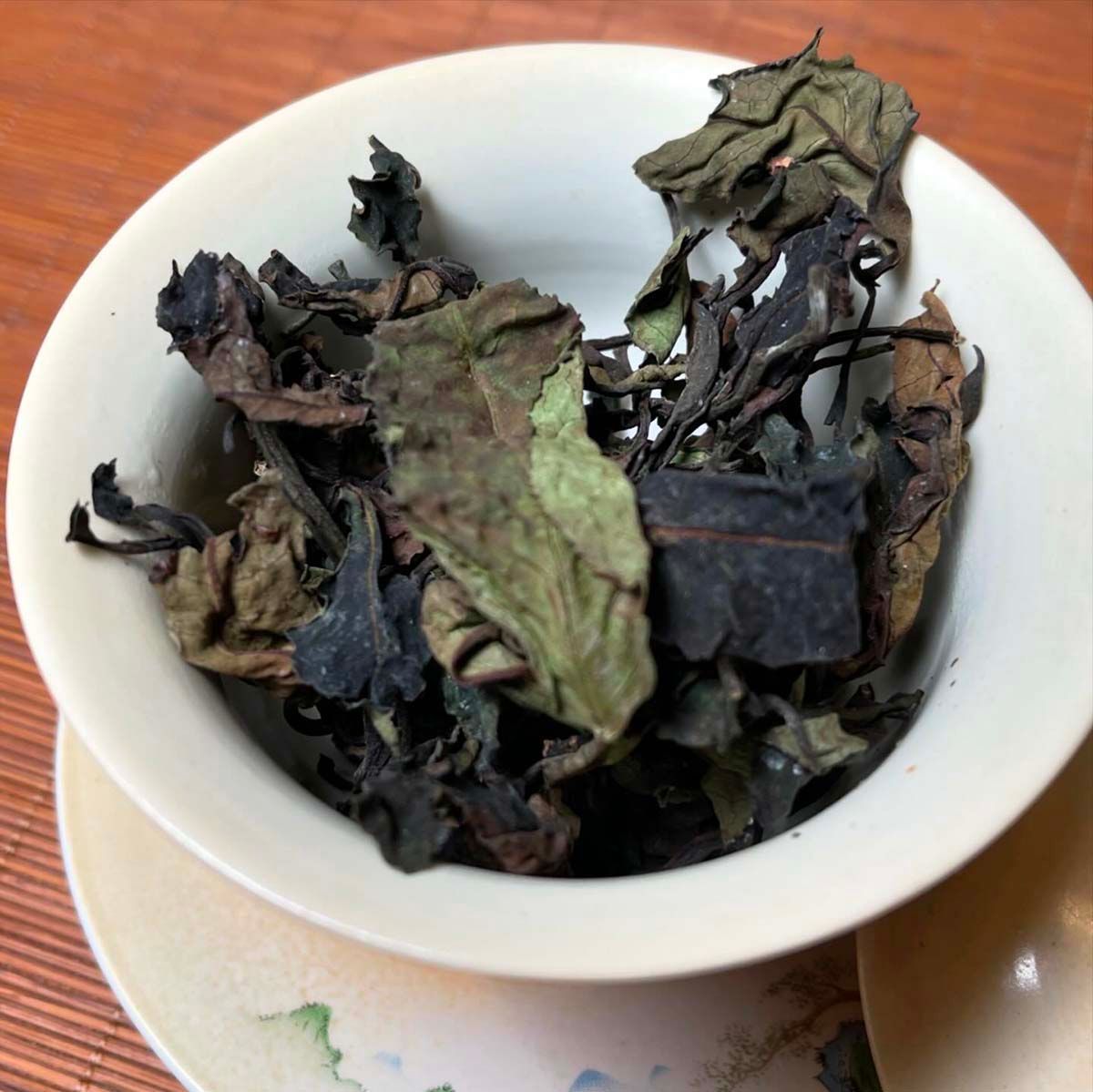
Three of these are shai hong , or sun-dried black tea. They are made like any black tea until the last step, where the leaves finish in the sun the way raw material for sheng pu-erh is handled instead of in a drying machine. That keeps a rounder character and pushes the sweetness toward fruit and cane sugar. Ours come from Lancang, Yiwu and Lincang at $5, $7 and $10, which makes them an unusually easy three-way comparison. Several others are made from old trees rather than young bushes — our Yunnan Wild Black is picked from wild arbor trees our supplier puts at over three hundred years, growing at 2,300 metres.
If Yunnan black tea is new to you, start with the Dian Hong Mao Feng at $6. It is the clearest example of what the category tastes like and a useful reference point for everything else here. All of these ship from us in North Carolina.