
Yixing Teapots: How to Choose One, Season It, and Brew Gong Fu Style
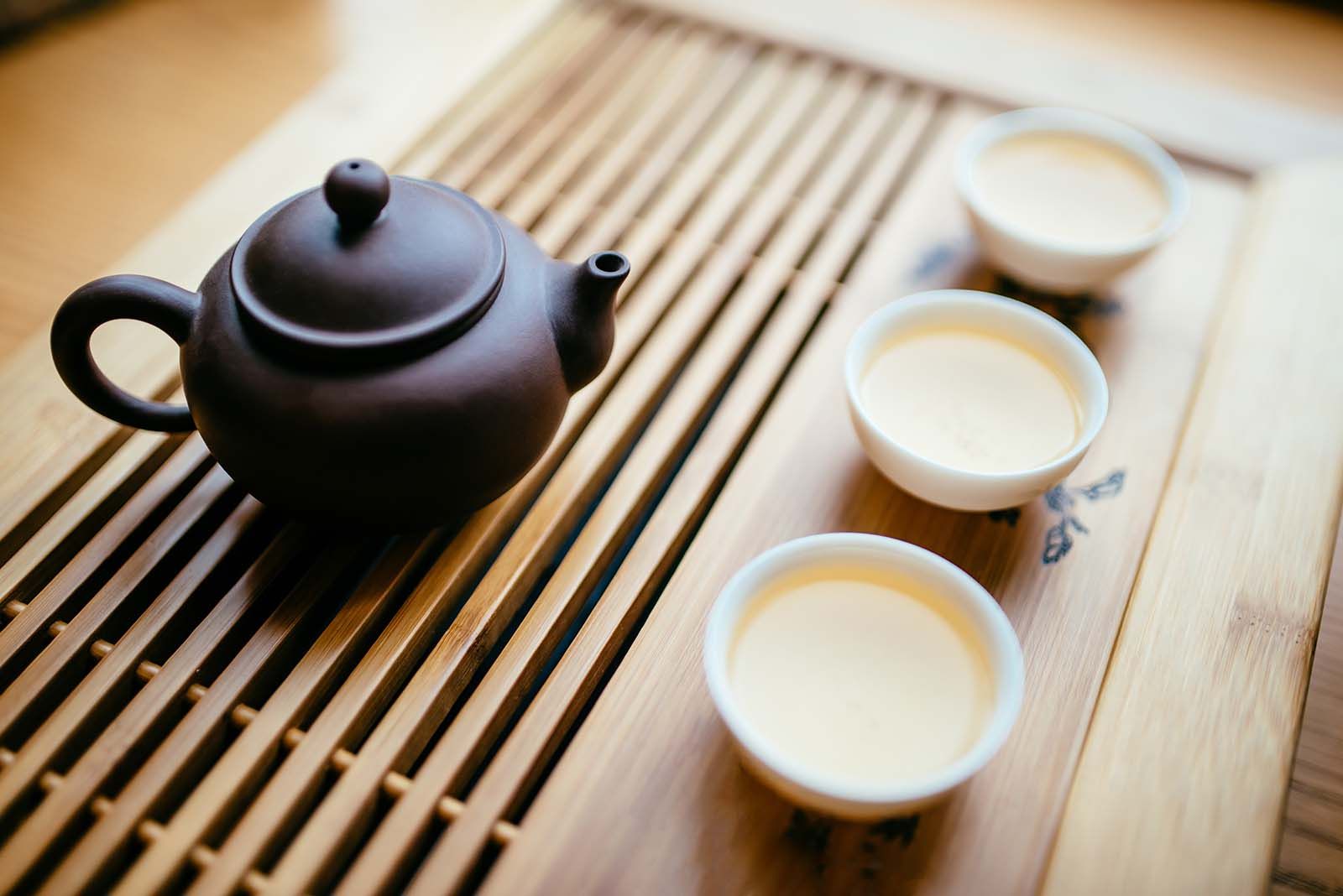
A Yixing teapot is a small unglazed teapot made from zisha clay, mined around the city of Yixing in China's Jiangsu province. What sets it apart from every other teapot you have owned is that it is never glazed, so the clay stays slightly porous and picks up a trace of whatever you brew in it. That one property explains nearly everything else about how these pots are chosen, used and cared for.
The clays divide into three broad families. Zini is the purple-brown clay most people picture when they hear "Yixing", hongni fires red and includes the dense, high-pitched zhuni, and duanni fires pale in golds and yellows. The pots themselves are small by Western standards, and something between 100 and 150 ml makes a sensible first one, because they are built for gong fu brewing — a generous amount of leaf, and many short infusions rather than one long steep.
Two habits follow from that porosity, and both are worth knowing before you buy. Most people keep one pot for one tea rather than moving it between them, because the pot carries flavor across. And seasoning, despite a good deal of what gets written about it, is not a ritual — it happens through ordinary use, and the pot is washed with hot water alone, never soap.
What makes a Yixing teapot different
Almost every teapot you have used before was glazed. Glaze seals the surface, which means the pot is inert and you can brew anything in it without consequence. A Yixing pot is not glazed. The clay is fired hard enough to hold water, but the surface stays slightly open, and over months of use it picks up a trace of the tea you brew in it.
That sounds like a drawback until you have used one for a while. The pot begins to round off the sharper edges of a tea, and it develops a soft sheen that no amount of polishing will produce on its own. People who brew the same tea in the same pot for years will tell you the pot improves the tea, and while that is difficult to prove in any rigorous way, it is a consistent enough report from enough careful drinkers that it is worth taking seriously.
The practical consequence is the one rule nearly everyone in tea agrees on: one pot, one tea. We will come back to that.
The three clay families
Zisha, usually translated as "purple sand", is the umbrella term for the ores mined around Yixing. Within it there are three broad families, and the differences between them are mostly a matter of mineral content, firing color and feel.
Zini — the purple clays
Zini is what most people picture when they hear "Yixing": a dark purple-brown, sometimes closer to chocolate. It is comparatively high in iron oxide, generally in the range of seven to eight percent, which is what produces the color. It is the most common of the three and a reasonable default for a first pot.
Hongni — the red clays
Hongni fires to a warm red or orange and sits highest in iron of the three, often around ten percent. Zhuni, the famously dense and high-pitched "cinnabar" clay, belongs to this family. Zhuni pots shrink a great deal in the kiln, which makes them harder to produce and more expensive, and it also makes them one of the most widely faked categories on the market.
Duanni — the pale clays
Duanni fires pale, in sandy golds, creams and yellows rather than purple or red. Its iron content is low, generally around two percent and rarely above four. Benshan duanni, benshan lüni and huangjin duan are all subtypes within the family, and they vary enough in color that two duanni pots can look like entirely different materials. Our Golden Pear duanni teapot is an example of the gold-toned end of the range.
How to choose your first pot
Start smaller than you think
This is the single most common mistake, and it is an easy one to make. A Yixing pot is not sized like a Western teapot. Something between 100 and 150 ml is a sensible first pot, which fills roughly three small cups. That sounds impractically small until you understand that gong fu brewing is built on many short infusions rather than one long one, so a small pot gets emptied and refilled five or six times in a sitting.
If you buy a 400 ml pot because it seems more useful, you will find you need a great deal of leaf to fill it properly and you will lose the thing that makes the method worth doing.
Check how it pours
A well-made pot pours in a steady stream and stops cleanly when you bring it upright, without dribbling down the spout. The lid should sit flush and turn smoothly. The handle should balance the weight of a full pot without strain, because you will be pouring quickly and often.
Look at the filter
Inside, where the spout meets the body, there will be either a single hole, a cluster of small holes, or a hemispherical "ball" filter with many holes. A single hole is traditional and simple but lets more leaf through. A multi-hole cluster strains better and is straightforward to clean. A ball filter strains best of all but can be fussy to clear if it blocks. None of them is wrong, but it is worth knowing which you are buying.
Be realistic about "fully handmade"
Yixing pots are made three ways: fully handmade, half-handmade using molds for the body, and slip-cast. All three can produce a perfectly good pot to drink from, and the price differences between them are substantial. The thing to watch is a seller describing a slip-cast pot as fully handmade. If a shop cannot tell you how a pot was made, treat the description with some caution rather than assuming the best.
We would rather tell you plainly what we know about a pot and what we do not than make a claim we cannot stand behind.
One category to be careful with
Bright green Yixing pots deserve particular skepticism. No natural Yixing ore fires green. The genuine green clay, mo lüni, is made by adding coloring oxides to a base clay, and done properly it is safe. The problem is that the look is widely imitated using other additives, and the provenance of those is often impossible to establish. We do not sell green Yixing pots for exactly this reason.
One pot, one tea
Because the clay is porous, a pot that has brewed roasted oolong for a year will carry some of that character into anything else you put in it. Most people therefore keep a pot for one tea, or for one family of teas, and that is the convention worth following.
What people argue about is which tea to commit a given clay to. There is a long-running disagreement about whether a particular clay suits lighter teas or darker ones, and much of it seems to trace back to firing temperature, which varies pot to pot and is rarely disclosed. We would not put much weight on any confident rule you read on this, our own included.
The approach that actually works is simple. Brew a few teas you already drink regularly, pay attention to which one the pot seems to flatter, and then commit to that one. A pot used thoughtfully with a tea you love beats a pot matched to a tea you rarely reach for.
How to season a Yixing teapot
Seasoning has acquired more mystique than it deserves. You may have read instructions involving boiling the pot in tea for hours, or burying it in leaves. None of that is necessary.
Seasoning is what happens when you use the pot. The sequence is this:
- Rinse a new pot thoroughly with hot water, inside and out, and let it dry. Some people simmer a new pot gently in plain water first to clear any kiln dust, which does no harm.
- Warm the pot with hot water before each brewing session, as you would any teapot.
- Brew your chosen tea in it regularly. Regularly matters more than anything else here.
- Rinse it with hot water when you are finished, empty the leaves out, and leave the lid off so it dries completely.
Over months the surface takes on a quiet sheen. It is a slow change and you will notice it mostly in hindsight.
How to brew gong fu style
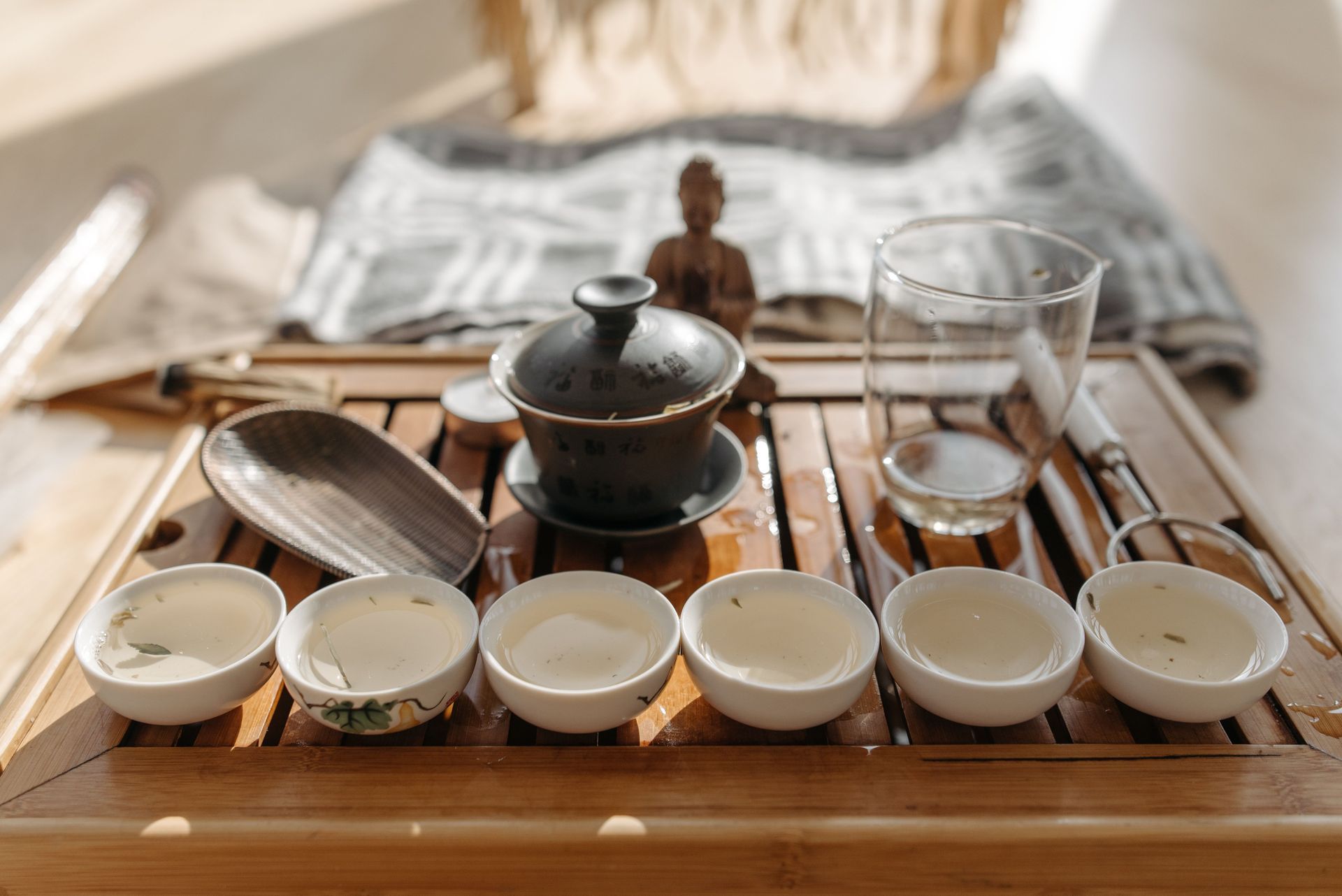
Gong fu cha is the method a small Yixing pot is built for. The principle is a high ratio of leaf to water and very short infusions, repeated many times, so that you taste the tea change as it opens up.
- Use more leaf than feels reasonable. Roughly five grams for a 110 ml pot is a sensible starting point. For a tightly rolled oolong, enough to cover the bottom of the pot is about right, since it will expand a great deal.
- Rinse the leaf. Pour hot water over, then immediately pour it off. This wakes the leaf up and warms everything through.
- Infuse briefly. Ten to twenty seconds for the first proper infusion, adjusting from there.
- Pour it all out. Empty the pot completely each time, into a pitcher or straight into cups, so the leaf is not left sitting in water.
- Add a few seconds each round. A good tea will give you six or more infusions, and the middle ones are often the best.
A bamboo tea tray catches the water from rinsing and warming, which makes the whole business considerably less messy. If you are new to the method, our guide to loose leaf tea and why whole leaves matter covers the groundwork.
Care, and what not to do
- Never use soap or detergent. The clay is porous and will hold onto it, and you will taste it next time.
- Hot water and gentle scrubbing only. A soft cloth or your fingers are enough.
- Dry it completely with the lid off. A pot put away damp with the lid on can develop a musty smell.
- Keep it out of the dishwasher and the microwave. Both will damage it.
- Do not oil or polish it. The sheen should come from tea and use, not from anything you apply.
- Warm it before brewing. Pouring boiling water into a cold pot is hard on the clay over time.
Which tea to start with
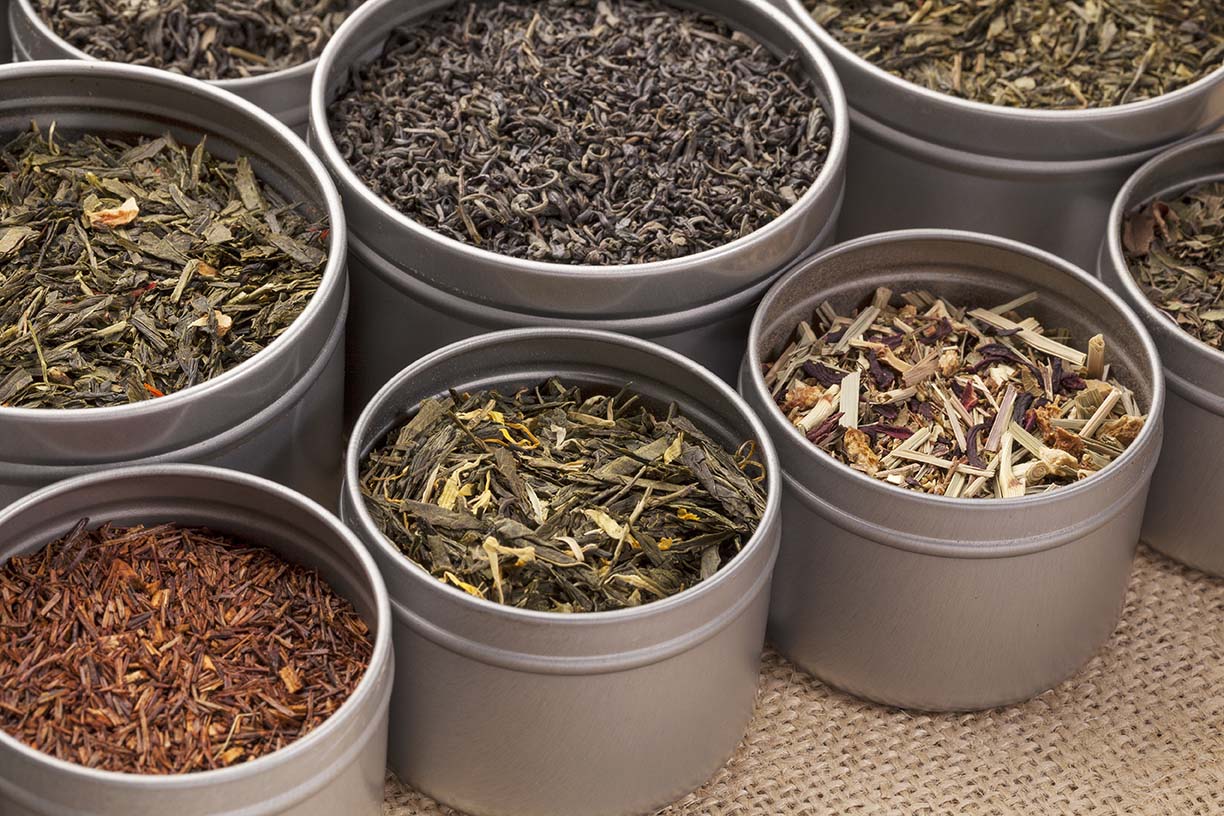
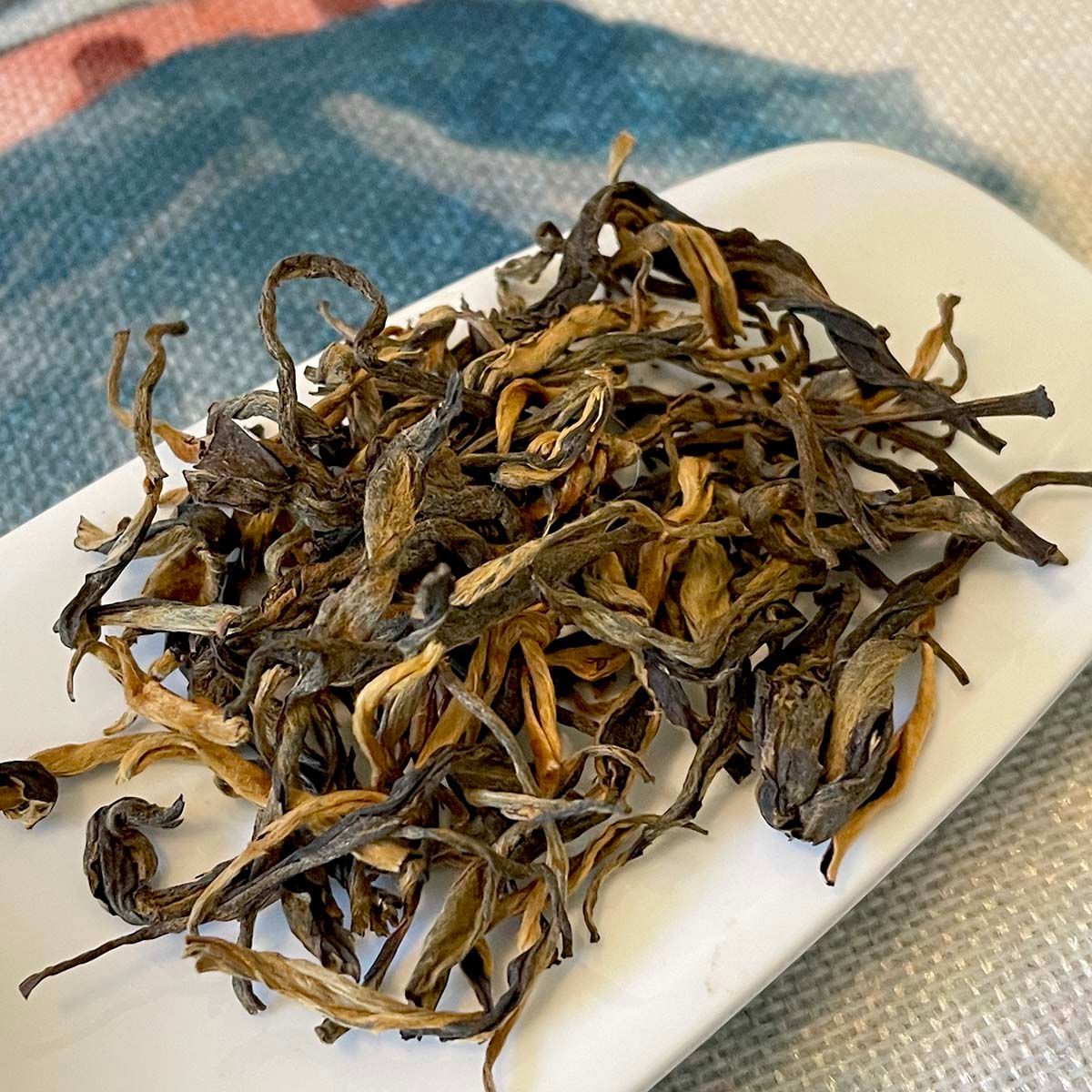
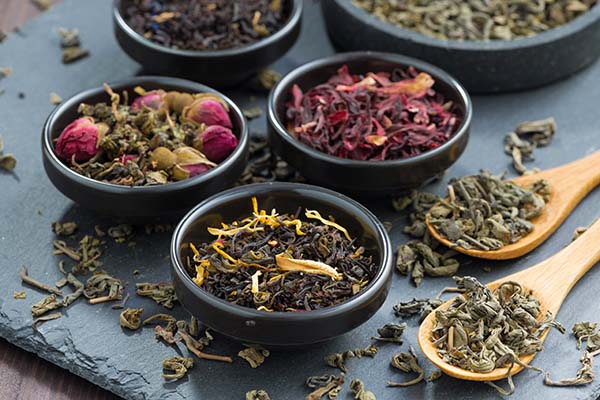
If you are choosing a tea to commit a new pot to, pick something you drink often enough to use the pot weekly. Oolong is a common starting point because it rewards the gong fu method so clearly, and a tightly rolled oolong is satisfying to watch open up. Shu pu-erh and sheng pu-erh are both traditional choices for clay. White tea and green tea both work well in paler clays, brewed a little cooler.
You can browse the full range of Yixing teapots and gong fu teaware in our store, which ships from Clayton, North Carolina, and our guide to Chinese tea types is a good place to start if you are still deciding what to brew.
Get in touch
If you are choosing a first pot and would like a second opinion before you buy, we are glad to help. We would rather point you to the right pot than sell you the expensive one.
📞 (910) 594-4822
✉ contact@adharatea.com
Contact Adhara Tea & Botanicals →
Frequently Asked Questions
Do I really need a separate teapot for every tea?
Not for every individual tea, but the convention is worth following at the level of tea families. Because Yixing clay is unglazed and slightly porous, a pot gradually takes on the character of what you brew in it, so moving a pot between a roasted oolong and a delicate white tea will muddy both. Most people settle on one pot per family — one for pu-erh, one for oolong, and so on — and add pots slowly as their drinking habits settle. If you only have one pot, choose the tea you drink most and stay with it.
How long does it take to season a Yixing teapot?
There is no fixed point at which a pot is considered seasoned, because it is a gradual change rather than a finished state. Brewing the same tea in the same pot a few times a week, you will usually begin to notice a soft sheen developing over a few months. The change is slow enough that you tend to notice it in hindsight rather than day to day. No special ritual speeds this up meaningfully — regular ordinary use is the whole of it.
How do I know if a Yixing teapot is authentic?
Honestly, this is difficult, and anyone who tells you there is a simple test is overselling their certainty. The commonly repeated tricks, such as pouring boiling water over the pot to watch it dry, do not reliably distinguish genuine zisha from other clays. The practical approach is to buy from a seller who will tell you plainly where a pot came from and how it was made, and who will say so when they do not know. Be especially careful with zhuni and with bright green pots, which are the most widely imitated categories.
What size Yixing teapot should I buy?
For gong fu brewing, somewhere between 100 and 150 ml is a good first pot, filling roughly three small cups. This is much smaller than most people expect, and buying larger is the most common first mistake. A small pot is what makes short, repeated infusions practical, which is the point of the method. Larger pots of 200 ml and up have their place if you regularly brew for several people at once.
Can I use boiling water in a Yixing teapot?
Yes, and for many teas you should. Yixing clay is fired at high temperatures and handles boiling water without difficulty. The one habit worth keeping is warming the pot with hot water before the first infusion rather than pouring boiling water into a cold pot, which is easier on the clay over the long run. Water temperature should be chosen to suit the tea rather than the pot.
Why can't I wash it with soap?
Because the clay is unglazed and slightly porous, it absorbs small amounts of whatever it comes into contact with. Soap and detergent will sit in the surface and come through in the taste of the next few brews. Hot water and gentle scrubbing remove tea residue perfectly well. The same porosity is why the pot improves with tea over time, so the two things are really the same property viewed from different sides.
Is a Yixing teapot worth it for a beginner?
It depends on how you drink tea rather than on how much you know. If you mostly brew a mug in the morning and move on with your day, a gaiwan is a better and cheaper place to start, because it is easy to clean and works with any tea. If you have found a tea you return to constantly and you enjoy sitting with it, a modest Yixing pot is a reasonable thing to own early. Expertise is not a prerequisite. Having a tea you love is.